
Two Years of Madurai: A Glasgow Restaurant Finding Its Feet, Its Voice and Its People
From a first nervous service to Coeliac UK accreditation, two years of Madurai have been defined by growth, trust and a lot of dosas.
Two years ago, Madurai opened its doors in Glasgow with a clear sense of what it wanted to be: a South Indian restaurant with a fully gluten-free kitchen, built for the way people actually eat out today. What it did not have yet was proof that the idea would work.
That proof has arrived, plate by plate, booking by booking, over the two years since.
The Beginning: More Nerve Than Plan
The early days of any restaurant are less romantic than they look in hindsight. There is the first week of service, when everything takes twice as long as it should. The realisation that the prep list needs rewriting. The first table of six that arrives twenty minutes before the kitchen is ready for them.
Madurai had all of that. There was the memorable opening weekend when a delivery of curry leaves failed to arrive. For a South Indian kitchen, curry leaves are not a garnish or an optional extra. They are foundational, the kind of ingredient whose absence you cannot quietly work around. The team made a few calls. Within the hour, a small convoy of bags had arrived from the home kitchens of South Indian friends who lived nearby, enough to get through the weekend.
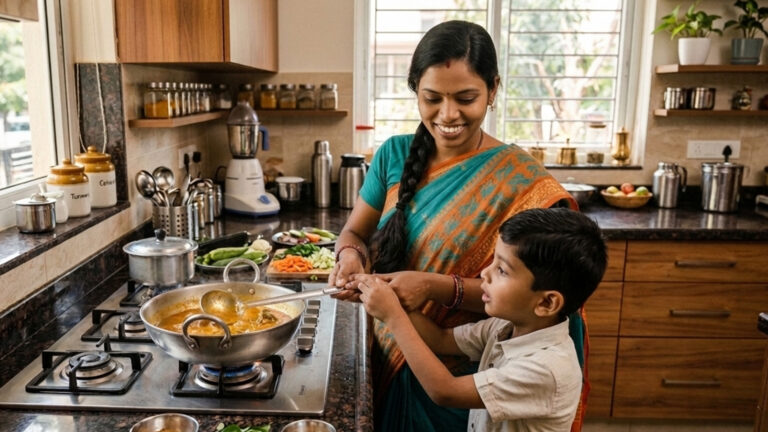
The guests did not notice a thing. But the moment stuck. It was a reminder that behind the restaurant, behind the menu and the booking system and the prep lists, there were real people and real kitchens and a genuine connection to the food that no supplier relationship could fully replicate. That connection has never been taken for granted since.
What also helped was that the idea was clear from day one. South Indian food served properly. That clarity meant that even when the early weeks were chaotic, there was never any confusion about what Madurai was trying to be. It just had to get better at being it.
Earning the Accreditation
The gluten-free commitment at Madurai is not a marketing strategy dressed up as a kitchen philosophy. It is the reverse: a kitchen philosophy that turned out to have significant value for a significant number of diners.
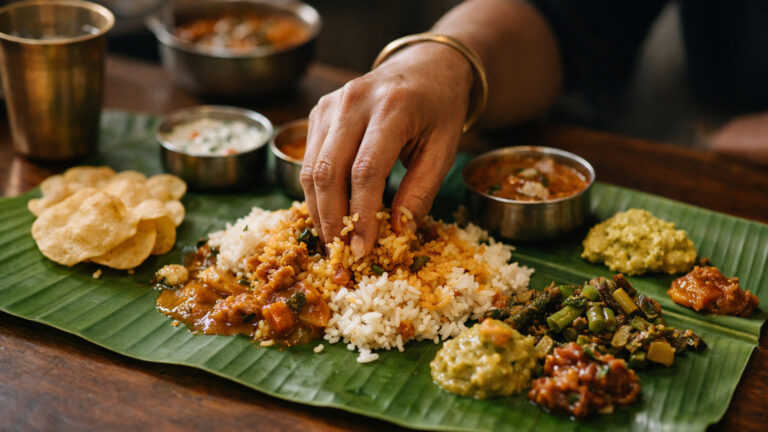
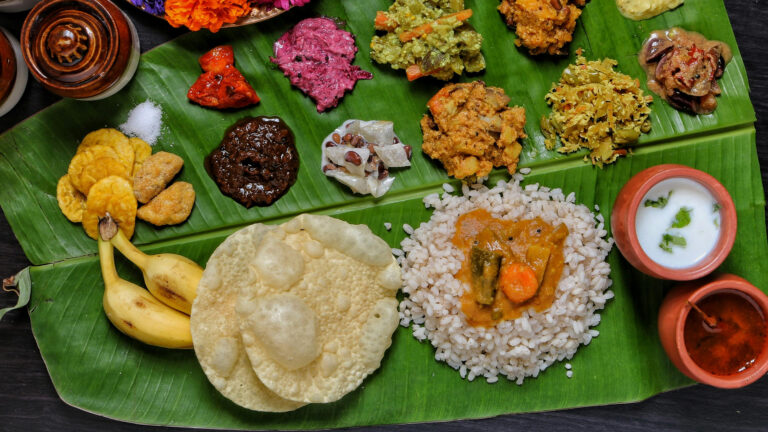
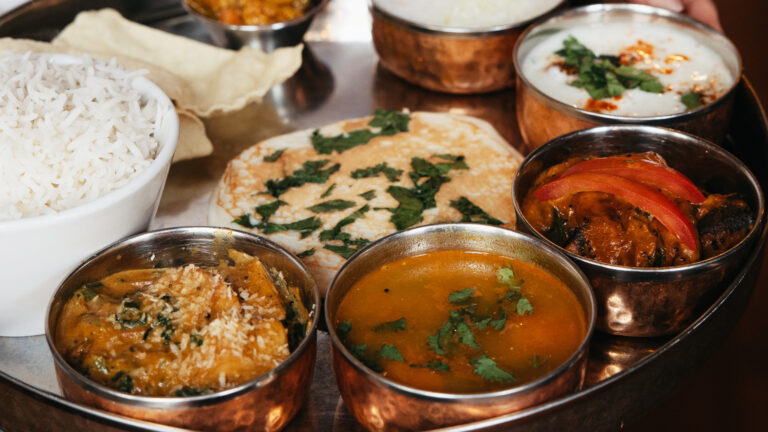
South Indian food, at its core, does not need wheat. Rice, lentils, coconut, tamarind and spice do the work. Building a fully gluten-free kitchen around that foundation was not a compromise. It was simply cooking the food as it was always meant to be cooked. The decision to formalise that through Coeliac UK accreditation was the natural next step.
The process was not simple. Coeliac UK’s accreditation scheme requires a thorough audit of kitchen practices, ingredient sourcing, staff training and cross-contamination protocols. For a small independent restaurant, that means time, paperwork and a genuine commitment to getting it right rather than just getting it done.
Madurai went through that process seriously. Every supplier was reviewed. Every sauce, marinade and spice blend was checked. Staff training was updated. The kitchen layout was reconsidered. It took longer than expected. But when the accreditation came through, the effect was immediate.
Within weeks of the accreditation being listed on the Coeliac UK website, the restaurant started receiving bookings from guests who had specifically searched for a safe place to eat. One regular, who has dined at Madurai almost every month since, said she had not eaten at an Indian restaurant in over four years before her first visit. She now brings friends, colleagues and family. She has probably been responsible for a dozen new regulars on her own.
That kind of trust, once earned, compounds. Coeliac diners are not casual customers. When they find a place that is genuinely safe, they come back. They tell people. They leave reviews. They become, in the truest sense, part of what the restaurant is.
Finding a Rhythm
The second half of the first year was about finding a rhythm. The menu settled a bit. We finally got our alcohol licence. The team grew more confident. Regulars started appearing, the people who come in often enough that the kitchen knows their order before they sit down.
It is a small thing, knowing someone’s order. But in a restaurant, it means everything. It means the place has become part of someone’s life rather than just an option on a list.
Then the reviews started coming in. Not in a flood, but steadily. Guests writing about a meal they had clearly thought about after leaving. Mentions of specific dishes. Notes about how the staff had explained something on the menu, or how the room had felt on a quiet Tuesday evening. Each one was read carefully, passed around the team and taken seriously.
It would be easy to say the reviews did not matter, that the work speaks for itself. But that would not be honest. They mattered enormously. They told the team that what they were trying to do was landing. That the effort was being felt on the other side of the table. That Madurai was becoming something real in the lives of the people who visited. There is nothing quite like that feeling for a small restaurant, and it pushed the team to keep raising the bar.
By the end of year one, Madurai had its rhythm. By the start of year two, it had something better: a reputation. Not a loud one, not the kind built on awards or press coverage, but the quieter and more durable kind built on consistent food, a room that feels right and staff who are genuinely glad to be there.
Year Two: Growing into the Space
The second year brought a different kind of challenge. Not survival, but growth. How do you build on something that is working without losing what made it work in the first place?
For Madurai, the answer has been gradual and deliberate, driven as much by guest feedback as by internal decisions.
The Food
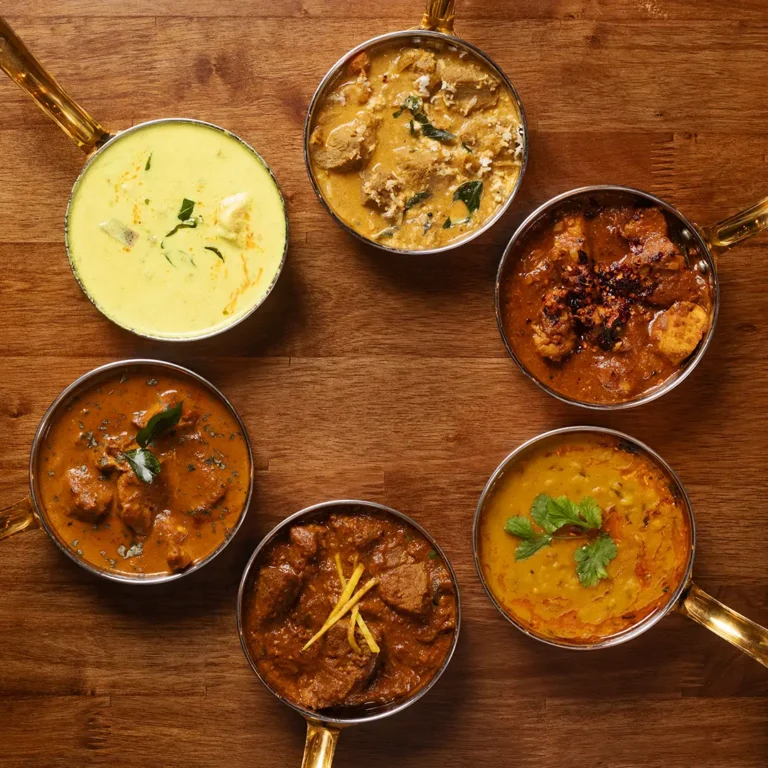
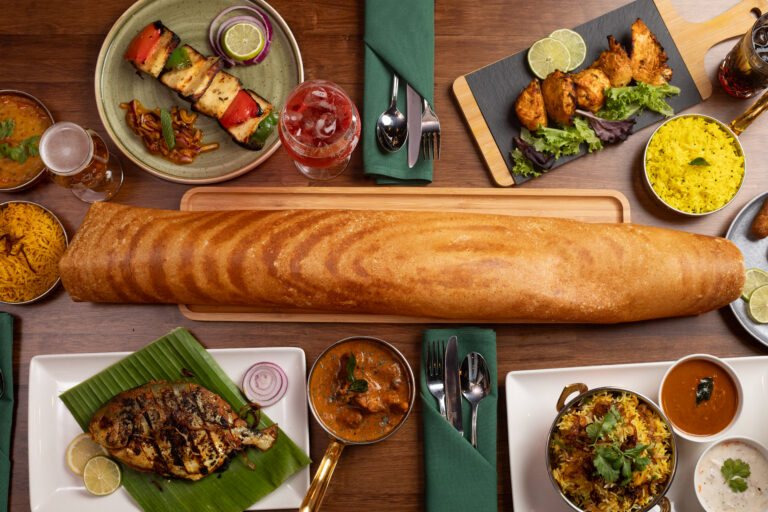
The menu is where that work has been most visible. Madurai launched with a small, tight selection, intentionally so. The thinking was sound: do a handful of things well before trying to do everything. But a small menu is also a menu with room to grow, and over the past two years that growth has happened carefully and honestly.
New dishes were not added lightly. The process was unglamorous and slow. Something new would be worked on in the kitchen, adjusted, reworked, adjusted again. Then it would find its way onto a plate in front of a regular, someone who knew the menu well enough to say something useful. Their feedback shaped the next version. More work. More tastings. More honest conversations. Some dishes made it. Others did not, and the team learned something from both outcomes.
That process has repeated itself through roughly three rounds of menu updates over the past year, each one small on the surface but meaningful in practice. A dish tightened here. A description rewritten there. Something added that had been earned rather than assumed. The menu today is broader than it was at the start, but it still fits on a single page. That constraint is not an accident. It is a rule the team holds itself to, a daily reminder that a shorter menu done well is always more valuable than a longer one done adequately.
Wine
The drinks side of the restaurant has had its own journey of growth and refinement. A new wine list came together over a period of tasting sessions that, it is fair to say, nobody on the team found particularly difficult.
The real work was in the matching: finding bottles that could hold their own alongside bold spice, coconut-based sauces and tamarind-led dishes without being overwhelmed. It required patience, a lot of poured glasses and a willingness to set aside wines that were perfectly good on their own but simply did not belong at a South Indian table.
The list that emerged from that process is one the team believes in, and guests have responded warmly to having genuinely considered wine options alongside the food.
Gluten-Free Beer and Ales
Alongside the wine list, Madurai has also brought in a selection of gluten-free beers and ales, something guests had been asking about for some time. For coeliac diners especially, finding a cold beer that is genuinely safe to drink is not always straightforward, and the response since adding them to the menu has been exactly what the team hoped for.
There is more to come on that front. The current selection is a start, not a full stop, and expanding the gluten-free drinks range remains firmly on the list.
Cocktails
The cocktail list followed a similar path. Madurai launched with three, a deliberately modest start. As the bar found its footing and South Indian flavours, curry leaf, tamarind, mango, warming spice, began to find their natural place in the drinks, the list grew. It is something the team is genuinely proud of today, and it has become a talking point in its own right.
The drinks side of the restaurant has had its own journey of growth and refinement. A new wine list came together over a period of tasting sessions that, it is fair to say, nobody on the team found particularly difficult. The real work was in the matching: finding bottles that could hold their own alongside bold spice, coconut-based sauces and tamarind-led dishes without being overwhelmed. It required patience, a lot of poured glasses and a willingness to set aside wines that were perfectly good on their own but simply did not belong at a South Indian table. The list that emerged from that process is one the team believes in, and guests have responded warmly to having genuinely considered wine options alongside the food.
What has not changed is the underlying belief that drove all of it: that the menu can always be better, that the work of refining is never finished, and that staying true to the core mission matters more than novelty. Four updates in, that belief is stronger than ever.
The Coeliac Community
Something unexpected happened as Madurai’s reputation with coeliac diners grew: it began to shape the restaurant in ways that went beyond the kitchen.
Coeliac guests tend to be highly informed. They ask good questions. They notice things. They pushed Madurai to be clearer about its ingredient sourcing, more detailed in its descriptions, more precise in its communication. That pressure, friendly but real, made the restaurant better for everyone, not just those dining gluten-free.
It also created a genuine community around the restaurant. Coeliac UK maintains a directory of accredited venues and being part of that network has connected Madurai to a wider conversation about safe dining in Scotland. Guests come from outside Glasgow specifically because of the accreditation. Some have travelled from Edinburgh, from Stirling, from further afield.
One couple from Stirling came in for a quiet anniversary dinner after finding Madurai through the Coeliac UK listings. They had been looking for somewhere they could both relax over a meal without one of them spending the evening anxious about the menu. They have been back three times since. “It sounds like a small thing,” one of them said, “but being able to just sit down and enjoy dinner together, properly, without worrying, that is genuinely rare.”
The Spice Journal
A few months ago, Madurai launched the Spice Journal: a series of articles on South Indian food culture, ingredients and the stories behind the dishes on the menu.
It started as a blog. The thinking was straightforward: the food has a story worth telling, and a restaurant is as good a place as any to tell it. Early posts on South Indian culinary history and regional ingredients drew more readers than expected, including many who had never visited the restaurant.
The response took the team by surprise. Within a few weeks, the Spice Journal had grown into an email magazine, something that had never been part of the original plan but felt like the natural next step given the level of interest. It is still early days, but the newsletter has already become a small but meaningful way for Madurai to stay connected with guests and food-curious readers beyond the four walls of the restaurant.
A Glasgow Restaurant, Growing
Glasgow’s independent food scene has grown considerably over the past two years. New restaurants have opened, others have closed, and the city’s appetite for independent, distinctive dining has continued to sharpen.
Madurai has grown within that context, not by chasing trends or expanding its offer in every direction, but by getting steadily better at what it already does. The room is fuller than it was. The bookings come further in advance. The reviews reflect a restaurant that has settled into itself.
None of that happened overnight. It happened through a lot of services, a lot of feedback taken seriously, a lot of small decisions made in the right direction. Two years of that kind of work adds up.
What Comes Next
The honest answer is: more of the same, done better.
Better menus. Stronger communication about what makes the food and the kitchen distinctive. More reasons for first-timers to visit and for regulars to keep returning. A continued commitment to the standards that earned the Coeliac UK accreditation and to the guests whose trust that accreditation represents. And more issues of the Spice Journal, for the growing number of readers who have made it part of their week.
Madurai is not a restaurant trying to become something different. It is a restaurant that knows what it is and is focused on becoming the best version of that. Two years in, the foundations are solid. The next chapter is about building on them.
The curry leaves arrive on time now, mostly.
Experience gluten-free South Indian food in Glasgow
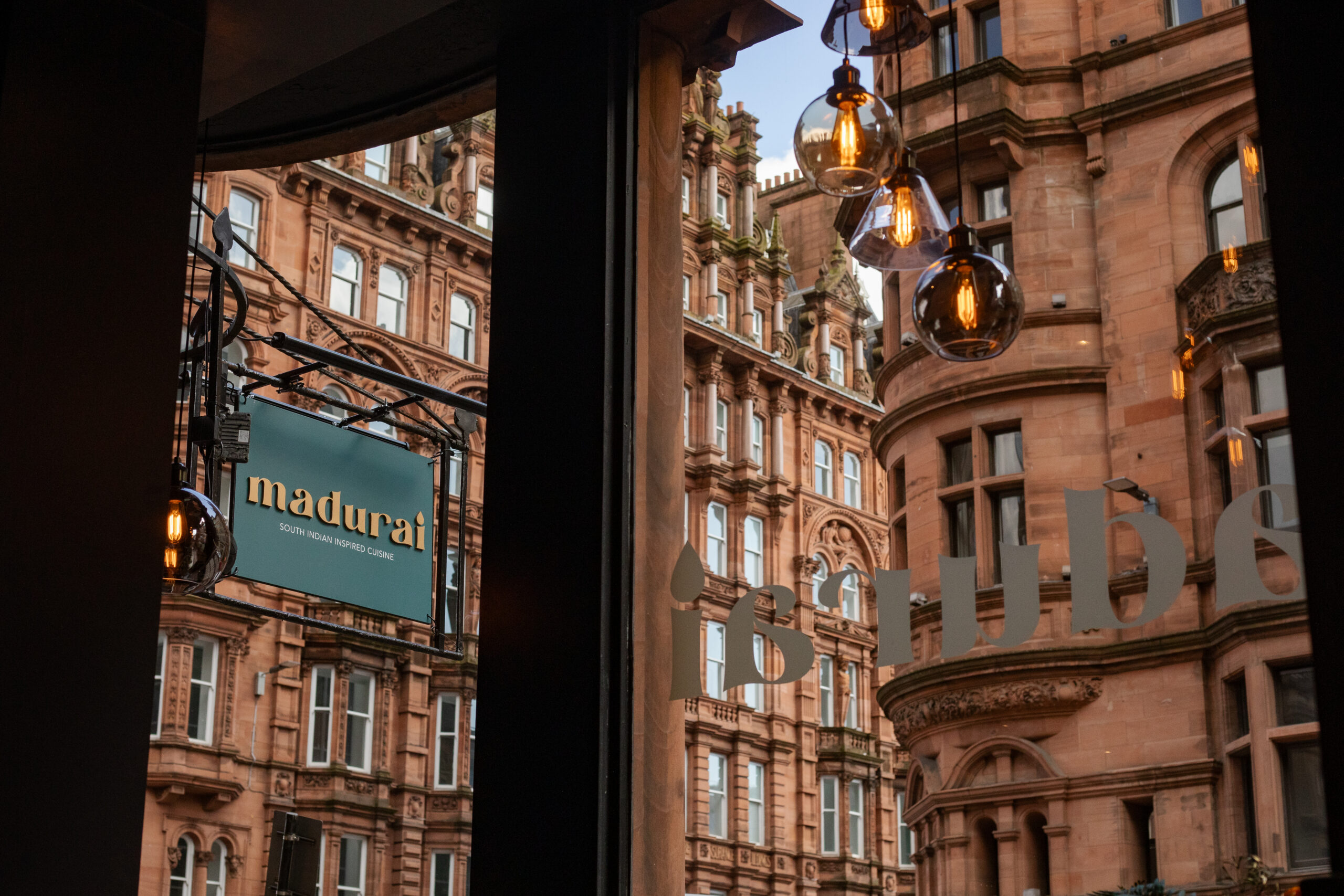
Madurai is a South Indian restaurant at 142a St Vincent Street, Glasgow G2 5LQ. Fully gluten free and Coeliac UK accredited.