
Curry Leaves: The Secret Behind South Indian Cuisine
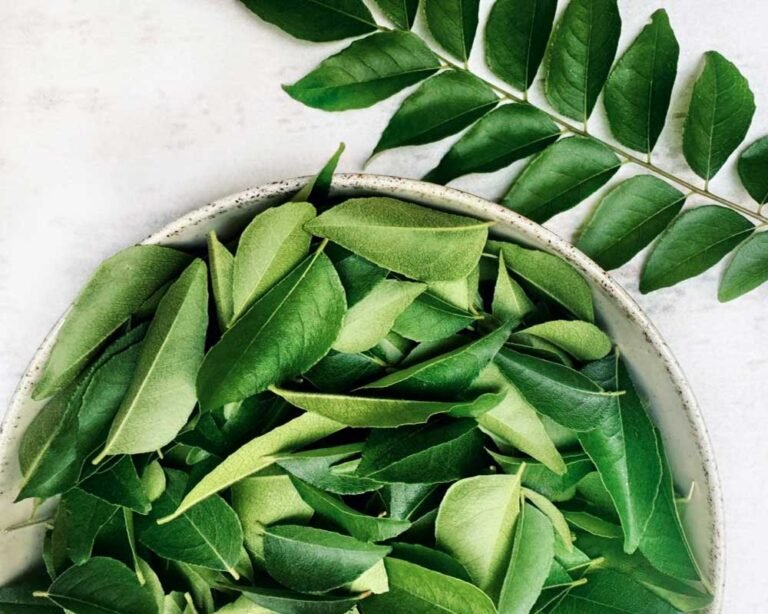
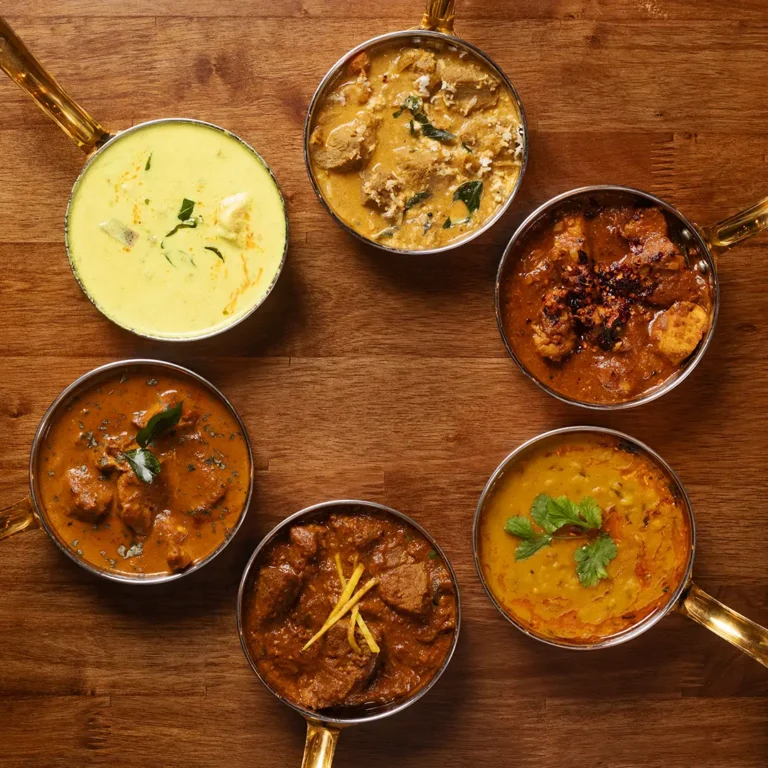
Curry leaves are one of the most misunderstood ingredients in Western kitchens. Here’s why they define South Indian flavours, and why nothing else can replace them.
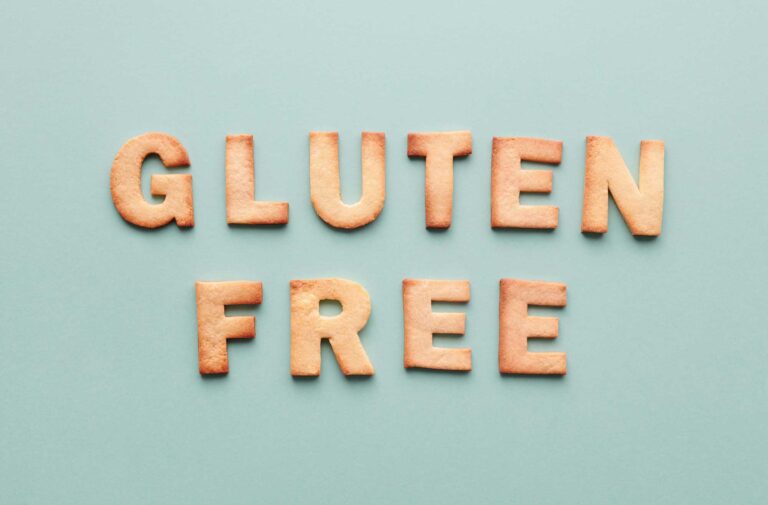
things-everyone-should-know-about-being-coeliac
Two years ago, Madurai opened in Glasgow with a clear and unusual proposition: South Indian food, done properly, fully gluten-free by design. This is the story of what happened next — the dosas that became signatures, the trust built with coeliac diners, and why the best of Madurai still feels like it’s ahead of them.
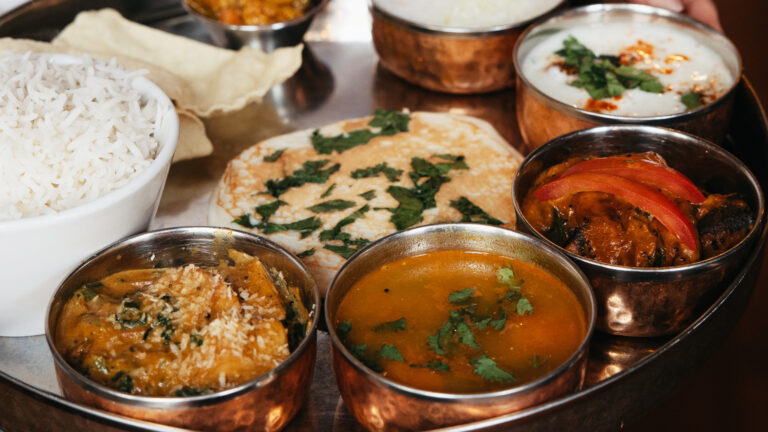
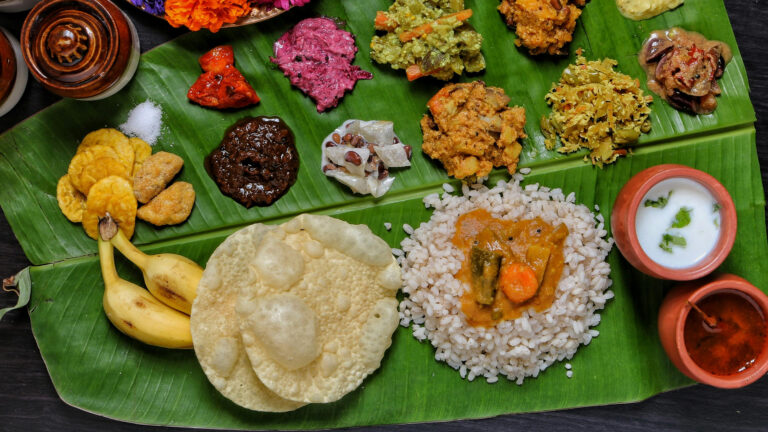
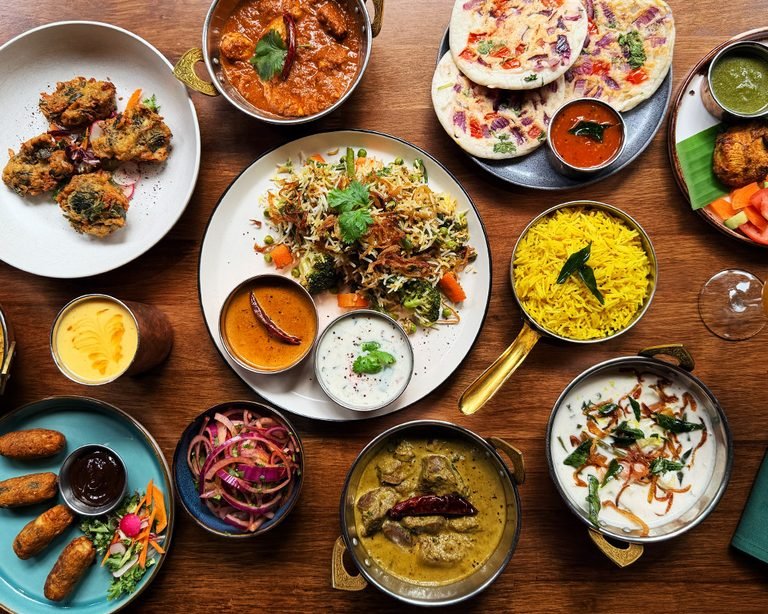
A thali is not a meal you eat in order. Everything arrives at once, a spread of curries, rice, sambar, pickle, and payasam, and the idea is that you eat all of it together, mixing and combining as you go.
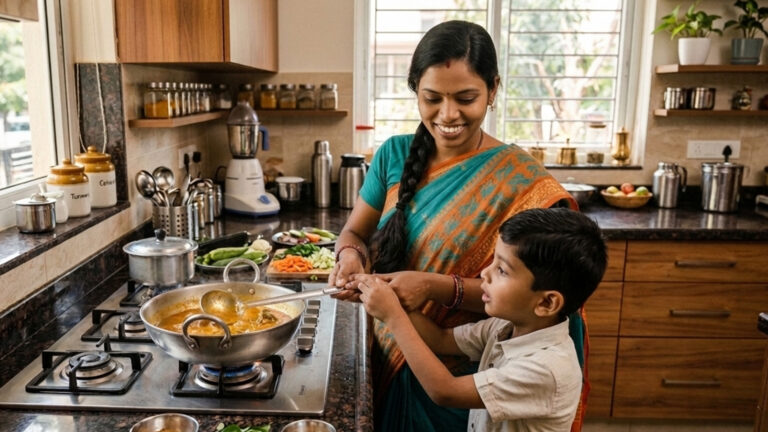
The most important cooking knowledge in South Indian culture was never written down. It lived in your mother’s hands — and it’s been passed that way for thousands of years.
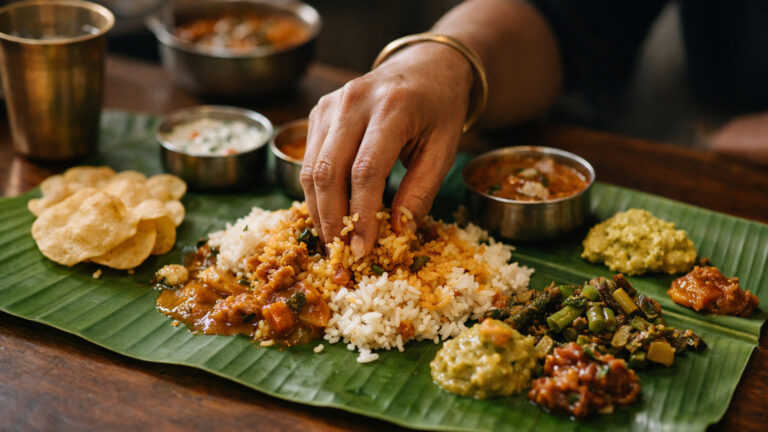
Eating with your hands isn’t bad manners in South India. It’s the whole point. Here’s the science behind why it actually makes food taste better, plus a bit of history that might make you look at your fork differently.
If you are searching for a gluten free restaurant in Glasgow, Madurai offers something different. Our kitchen is 100% gluten free, independently Coeliac UK accredited,…
South Indian food is built on balance, fermentation, spice, and time. A deep dive into one of the world’s most quietly influential food cultures.
Long before gluten free became a label, South Indian cooking was already built around rice, lentils, and careful technique. This piece explains how fermentation, coconut, tamarind, pepper, and curry leaves create balance without wheat. Gluten free, not by design. Just by tradition, and still delicious today.