
10 Things Everyone Should Know About Being Coeliac
May is Coeliac Awareness Month, and if you don’t have the condition yourself, there’s a good chance you know someone who does.
Around 1 in 100 people in the UK are coeliac, though many don’t know it yet. Understanding what it actually means to be coeliac can make a real difference in how we support friends, family, and colleagues navigating daily life with this lifelong condition.
1. It’s Not a Food Preference or Allergy
Being coeliac isn’t about choosing to avoid gluten or having a sensitive stomach. It’s an autoimmune condition where eating gluten triggers the immune system to attack the small intestine. According to Coeliac UK, this isn’t a lifestyle choice or a trend. It’s a medical reality that requires strict, permanent management. Unlike an allergy, there’s no EpiPen or antihistamine that helps. The only treatment is complete gluten avoidance for life.
2. It’s More Common Than You Think
Approximately 1 in 100 people have the condition, but studies suggest that only around 36% of those who have it have been diagnosed. That means hundreds of thousands of people in the UK are living with untreated coeliac, often experiencing symptoms for years before getting answers. The condition can develop at any age, from infancy to late adulthood, and affects people across all demographics. In cities like Glasgow, growing awareness has led to better support networks and more informed dining options for coeliacs.
3. Gluten Hides Everywhere
It’s not just bread and pasta. Gluten appears in soy sauce, stock cubes, some spice blends, processed meats, sauces, medications, and even lipstick. Reading every ingredient label becomes second nature. The NHS highlights how widespread gluten contamination can be in unexpected products. This is why coeliacs ask detailed questions in restaurants and why a truly safe dining experience requires more than just offering a gluten-free menu. It requires understanding every ingredient that enters the kitchen, from the coconut milk in a curry to the rice flour in a batter.
4. Cross-Contamination Is a Real Concern
Even a crumb can cause damage. Shared toasters, cutting boards, fryers, or utensils can contaminate otherwise safe food. This is why coeliacs can’t just “pick the croutons off” a salad or scrape sauce off chips. The gluten is already there.
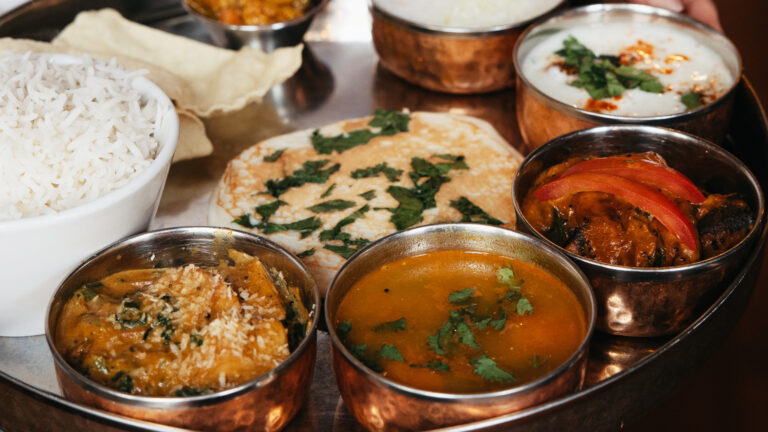
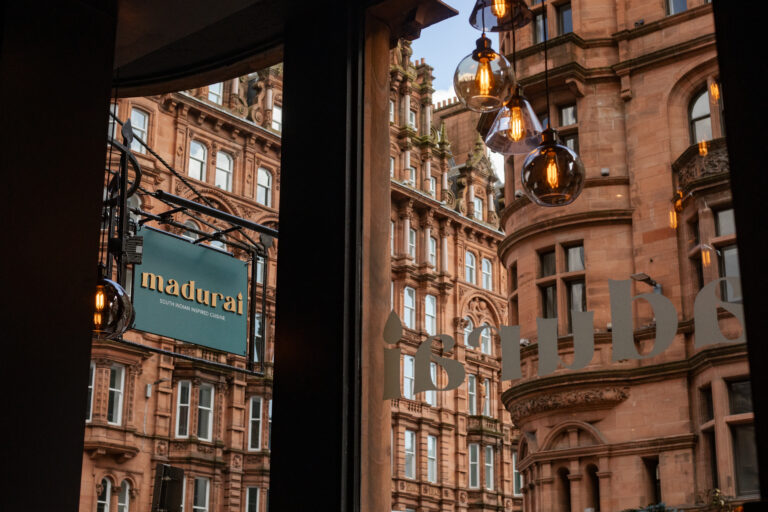
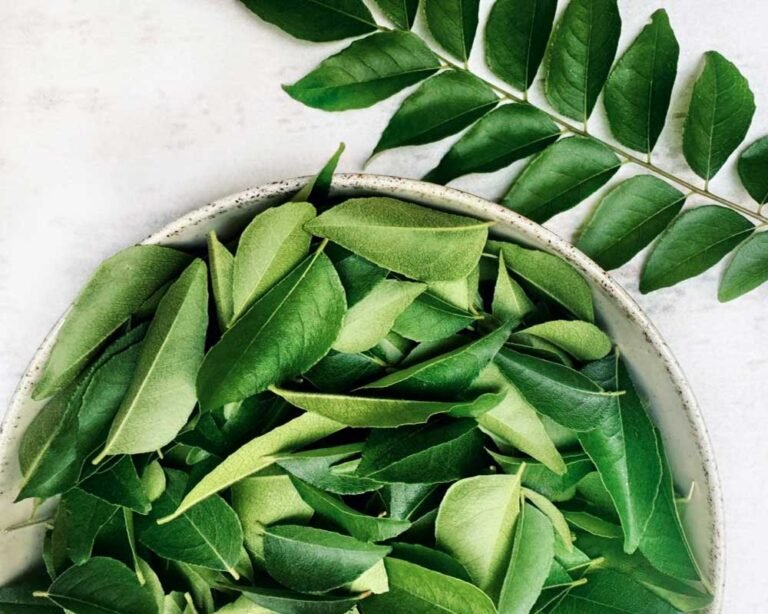
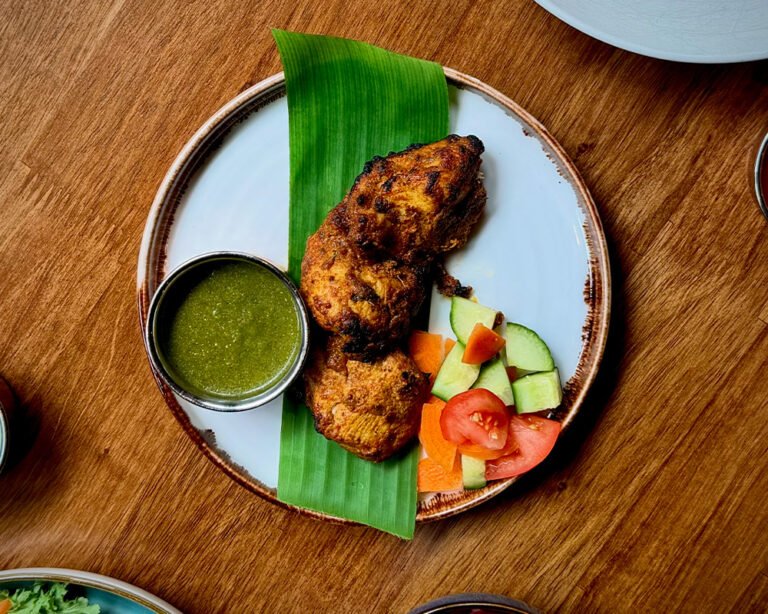
For coeliacs in Glasgow, finding truly safe spaces to eat means looking beyond gluten-free menu options to restaurants with dedicated preparation areas. Coeliac UK’s accreditation scheme sets the standard, requiring strict protocols that eliminate cross-contamination risk entirely. Restaurants like Madurai on St Vincent Street have built their entire operation around this principle, with a fully gluten-free kitchen where ingredients like tamarind, curry leaves, lentils, and rice form the foundation of every dish. When gluten never enters the space, cross-contamination becomes impossible.
5. Symptoms Vary Wildly
Not everyone experiences obvious digestive symptoms. Research published by the British Medical Journal shows that some people have fatigue, brain fog, headaches, joint pain, skin rashes, or mood changes. Others have no noticeable symptoms at all, but internal damage is still happening. This variation makes diagnosis challenging and means that someone might look perfectly fine while their body is under attack.
6. The Damage Is Internal and Long-Term
When someone with coeliac eats gluten, their immune system damages the villi in the small intestine. These tiny, finger-like structures are responsible for absorbing nutrients. According to Coeliac UK’s medical information, repeated damage can lead to malnutrition, osteoporosis, anaemia, infertility, and increased risk of other autoimmune conditions. Even when someone feels fine after eating gluten, the damage is occurring silently.
7. Healing Takes Time
Once someone stops eating gluten, the small intestine can heal, but it doesn’t happen overnight. The British Society of Gastroenterology notes it can take months or even years for the gut to fully recover, depending on how long the condition went undiagnosed and how severe the damage was. During this time, nutrient absorption gradually improves, but the person may still experience deficiencies that need monitoring and dietary attention.
8. It’s Genetic
Coeliac runs in families. If you have a first-degree relative with the condition, your risk increases to about 1 in 10. Testing is straightforward through blood tests and biopsy, but it requires eating gluten at the time of testing for accurate results. Some people go gluten-free before getting tested, which can make diagnosis much harder and delay proper medical management.
9. There’s No Cure
The only treatment is a strict gluten-free diet for life. There are promising treatments in research pipelines, including enzyme therapies and vaccines currently in clinical trials, but nothing has reached the market yet. This means that for now, every meal, every day, requires vigilance. It’s not something that can be managed occasionally or loosened for special occasions. The commitment is permanent.
10. Naturally Gluten-Free Cuisines Offer Real Freedom
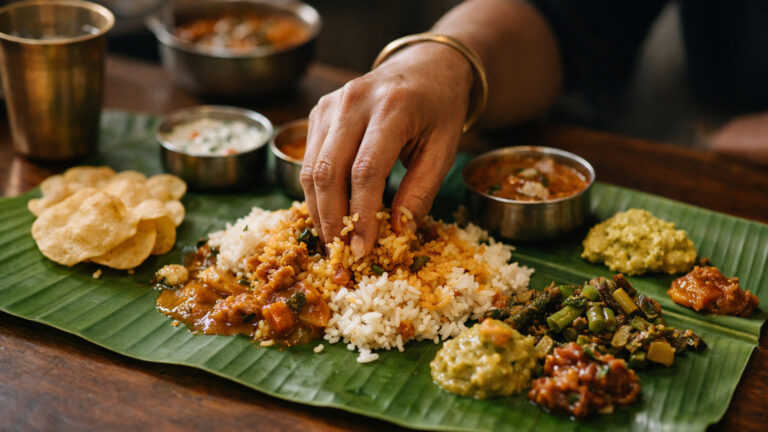
Many cuisines around the world have always been naturally gluten-free, built on ingredients like rice, lentils, and coconut rather than wheat. South Indian food is a perfect example. Dosas are made from fermented rice and lentil batters, curries rely on coconut milk and tamarind for richness, and fresh curry leaves add aromatic depth without any need for wheat-based thickeners or sauces.
For coeliacs in Glasgow looking for genuinely safe South Indian dining, restaurants that understand the cuisine’s gluten-free foundations, rather than adapting dishes after the fact, offer a completely different experience. When the kitchen has been gluten-free from the start, like at Madurai on St Vincent Street, every item on the menu is accessible. There’s no separate section, no asterisks, no substitutions. Just food prepared the way it’s meant to be, with the reassurance of Coeliac UK accreditation behind it.
Experience gluten-free South Indian food in Glasgow
Madurai is a South Indian restaurant at 142a St Vincent Street, Glasgow G2 5LQ. Fully gluten free and Coeliac UK accredited.