
Why South India Is Quietly One of the World’s Great Food Cultures.
When people talk about the world’s great cuisines, the usual names come up. French. Italian. Japanese. Thai. Indian food gets mentioned — but almost always through the lens of North India. Butter chicken. Tandoori. Naan bread.
South Indian food rarely makes that list. And that’s a shame, because it’s one of the most sophisticated and historically significant food cultures on the planet. It just doesn’t shout about it.
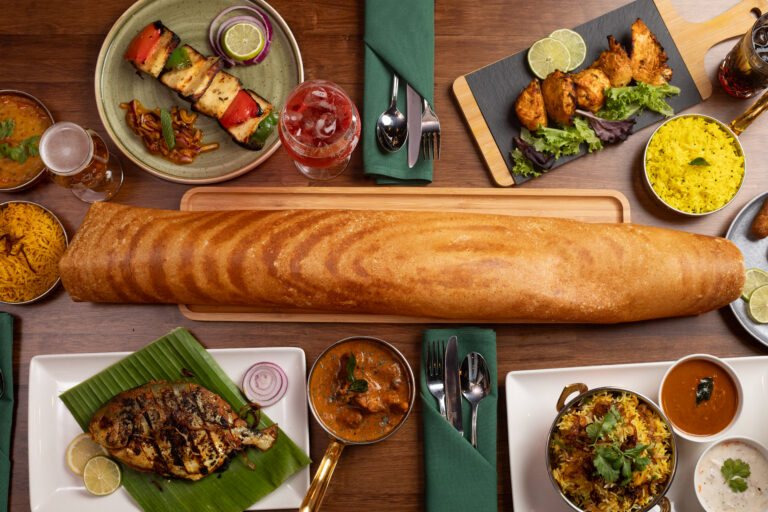
At Madurai in Glasgow, we specialise in South Indian cooking. The more you learn about this tradition, the more you realise how quietly extraordinary it is.
One of the World’s Oldest Food Traditions
South Indian cuisine isn’t a modern invention. It’s ancient. The Sangam literature — Tamil poems dating back over 2,000 years — describes rice cultivation, fish curries, fermented foods, and the use of tamarind, black pepper, and turmeric. The same ingredients we use today at Madurai.
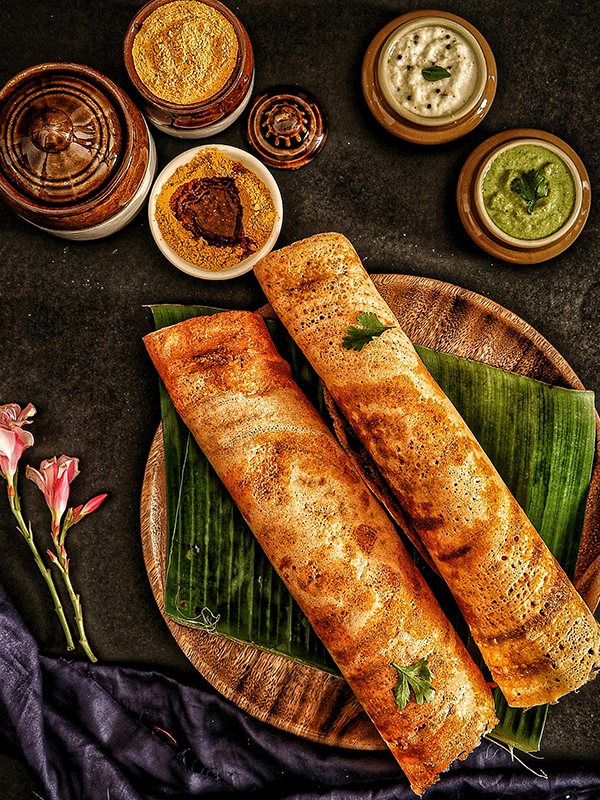
Fermentation, now trendy in modern gastronomy, has been central to South Indian cooking for millennia. Dosa and idli batters are fermented overnight using wild yeasts, creating natural sourness and making the rice and lentils easier to digest.
The spice trade that shaped global history? South India was the engine. Kerala’s Malabar Coast was the source of black pepper, cardamom, and cinnamon that drew traders from Rome, Arabia, and Europe. These weren’t exotic novelties — they were everyday ingredients in a living food culture.
Built on Balance, Not Just Heat
South Indian food doesn’t rely on heat alone. Yes, there’s spice — sometimes serious spice — but it’s always balanced by sourness, sweetness, and aromatics. The goal is harmony.
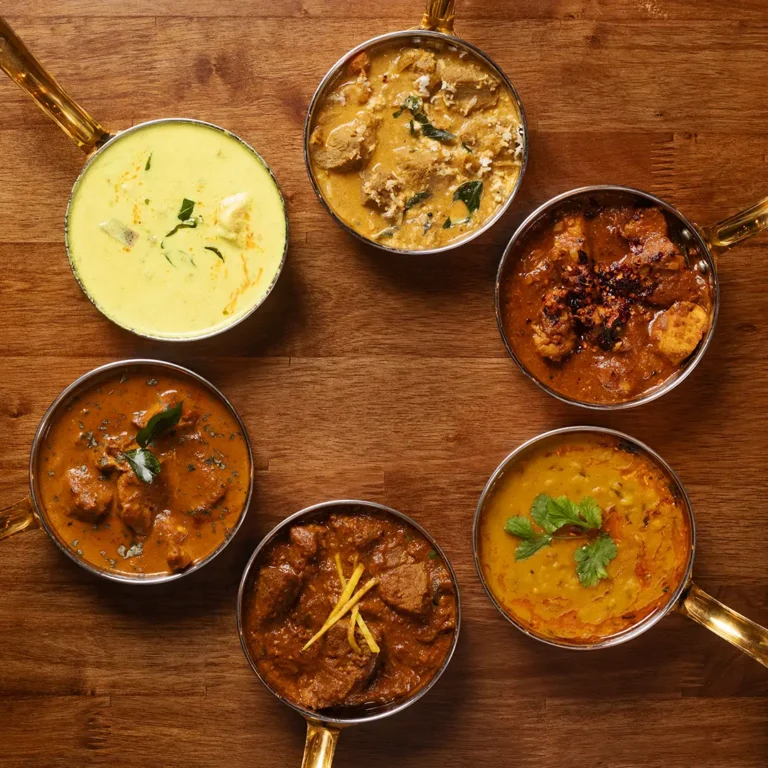
Take sambar, the lentil and vegetable stew that’s a cornerstone of South Indian meals. It’s spiced with roasted coriander, cumin, fenugreek, and black pepper. But it’s also soured with tamarind, sweetened with jaggery, and enriched with ghee. You taste all of it — the complexity is the point.
Or rasam, a thin, peppery soup made with tomatoes, tamarind, and curry leaves. It’s hot, sharp, and soothing all at once. This layering of flavours is deliberate. It requires technique, timing, and an understanding of how spices behave.
Extraordinary Ingredients
South Indian cooking is shaped by geography. The region is tropical and coastal, so the ingredients are fundamentally different from North India.
Rice is the foundation. Coconut appears in almost every form — fresh grated, milk, oil. It’s what gives South Indian food its creamy texture without relying on dairy. Curry leaves release a nutty, citrusy fragrance when they hit hot oil. Tamarind provides sourness that cuts through richness. And seafood — with a 7,500-kilometre coastline, dishes like our Coastal Monkfish are elegant, aromatic, and nothing like heavy masala curries.
Naturally Inclusive
South Indian food is one of the most accommodating cuisines in the world — not because of modern trends, but because of how it evolved.
It’s naturally gluten-free. Rice and lentils form the base, so there’s no wheat. At Madurai, we run a 100% gluten-free kitchen because traditional South Indian cooking simply doesn’t use wheat.
It’s vegetarian at its core. South India has a long tradition of vegetarianism, so a dish like Sambar (vegetables in lentils) is as complex as any meat dish.
It’s vegan-adaptable. Coconut milk replaces dairy in most curries. Many traditional dishes are already vegan.
Designed for Sharing
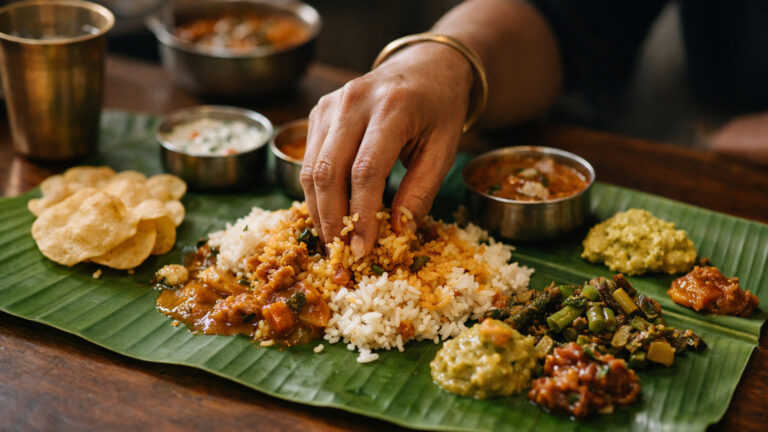
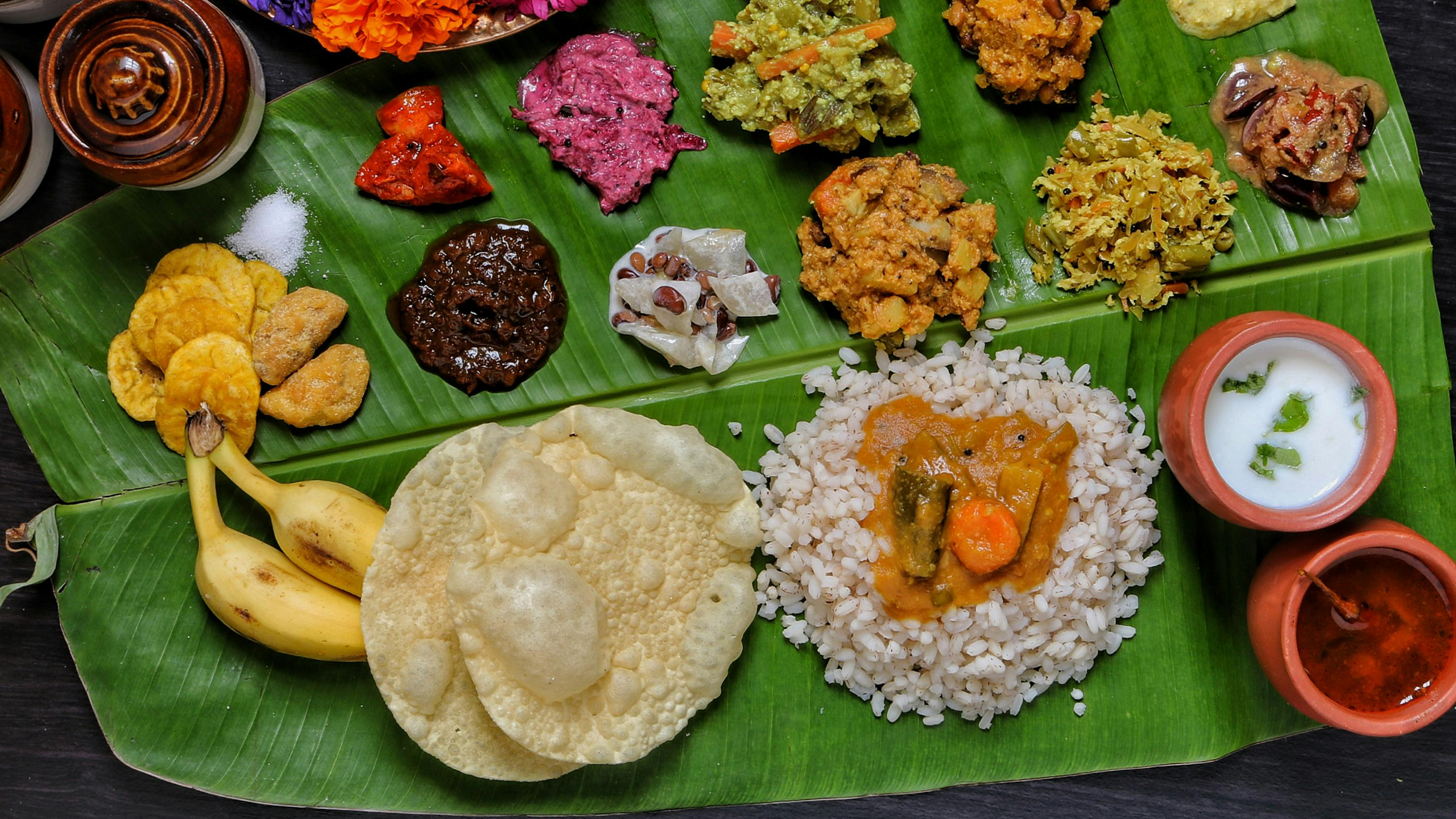
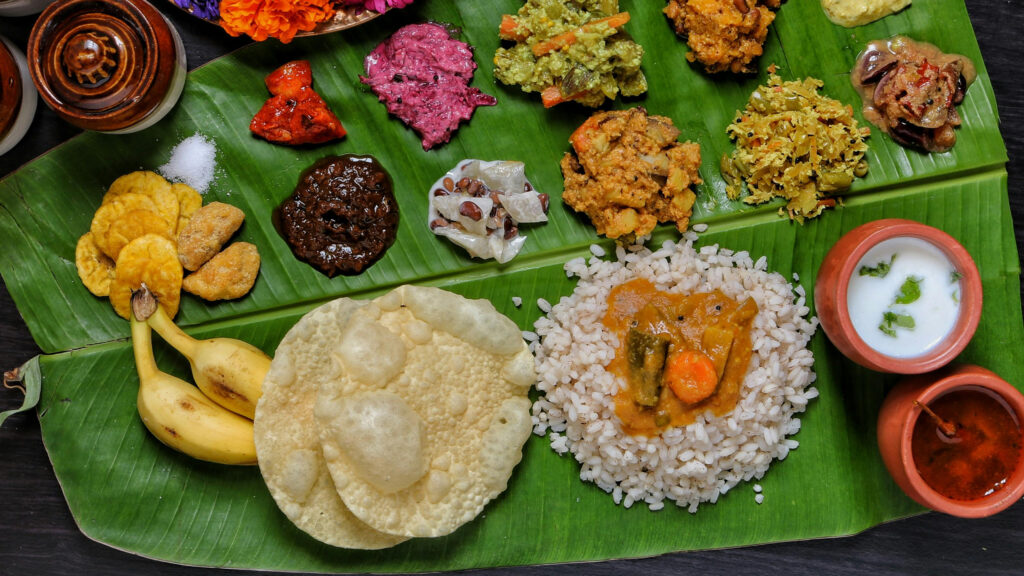
In South India, meals are served on a banana leaf or thali tray with multiple small portions — rice, sambar, rasam, vegetable dishes, curry, pickle, and a sweet. Everything is eaten together, mixed as you go.
At Madurai, we’ve adapted this for Glasgow without losing the spirit. Our Lunch Thali is designed to be passed around and discussed. South Indian food works best when it’s communal.
Why Glasgow Needs to Know About This
UK has a long relationship with Indian food, but it’s been one-sided. The curry houses that defined “Indian food” here were mostly cooking Punjabi and Mughlai dishes. South Indian food barely featured.
That’s changing. Glasgow is becoming more curious, more willing to explore beyond the familiar. Diners want flavour, and a story that goes deeper than a menu description.
At Madurai, we’re not reinventing South Indian cooking. We’re showing Glasgow what it’s been missing — a food culture that’s ancient, sophisticated, generous, and still very much alive.
Experience It for Yourself
South Indian food deserves to be understood on its own terms, not as a footnote to North Indian cuisine. At Madurai in Glasgow, we’re cooking the food of South India with authenticity and respect for a tradition that’s been quietly extraordinary for thousands of years.
Experience South Indian food in Glasgow
Book your table at Madurai or call 0141 221 7722
Madurai, 142A St Vincent Street, Glasgow, G2 5LQ