
Why South Indian Food Is Naturally Gluten Free
South Indian food did not drop wheat to follow a trend. It was never the focus. Climate, crops, and technique shaped a cuisine built on rice, lentils, and patience. That is why gluten free fits here without effort.
What makes it naturally gluten free
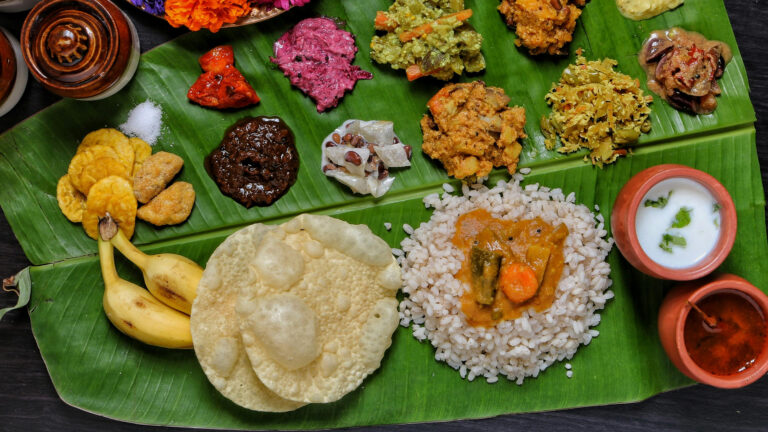
South Indian cooking is grounded in rice and lentils. These are everyday staples, forming the base of meals from morning through to evening. Rice thrives in the humid southern climate, while lentils store well, ferment naturally, and bring depth without heaviness. Together, they create a cuisine that feels generous, balanced, and satisfying.
Rice and lentils at the core
These staples are the backbone. Rice brings comfort and neutrality. Lentils add body and protein. Combined, they deliver variety without heaviness. Meals build around them with vegetables, coconut, tamarind, black pepper, and fresh curry leaves used with intent.
Fermentation for flavour and lightness
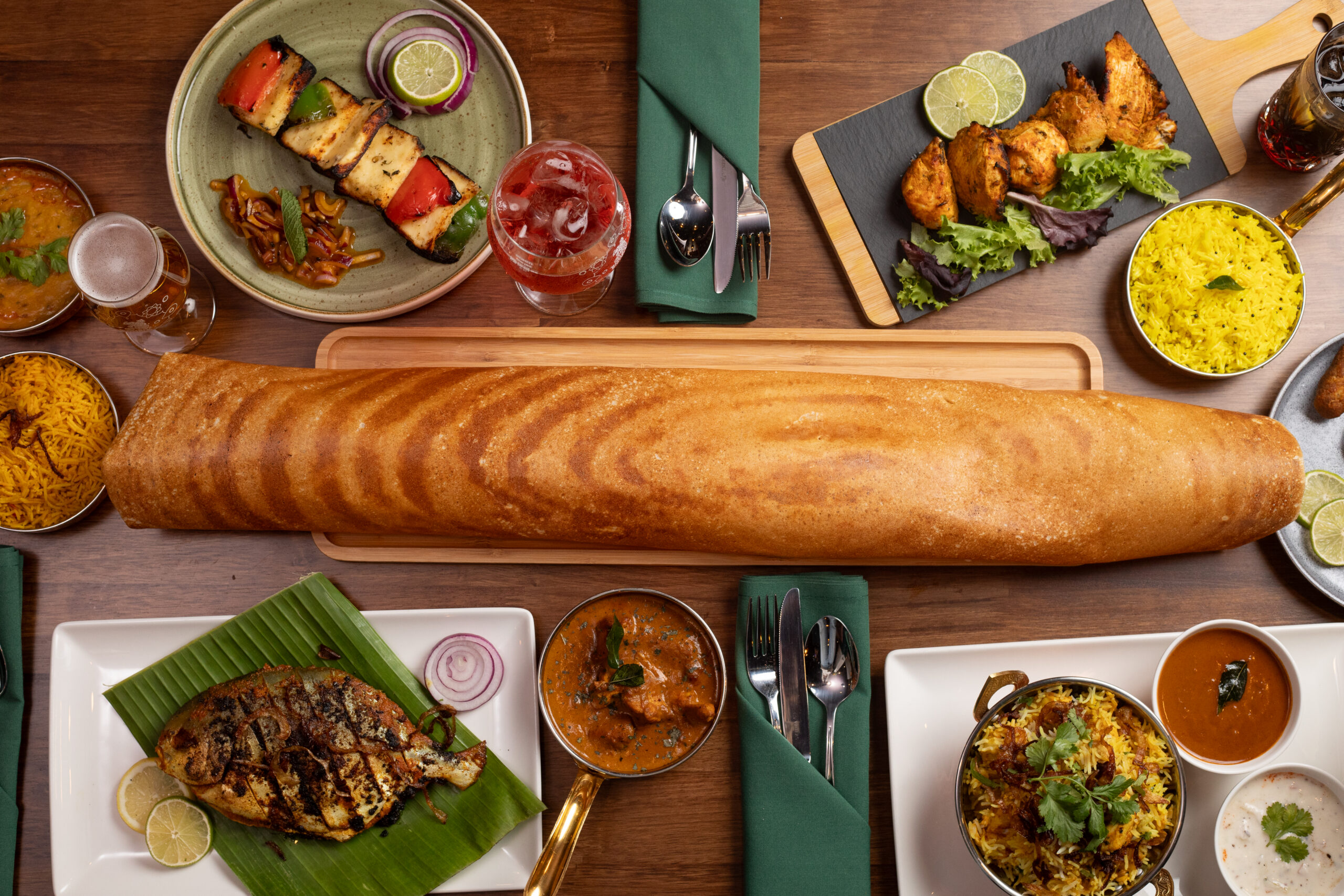
Resting ground rice and lentils lets natural fermentation do the work. Texture improves. Flavour deepens. Digestion benefits. This quiet technique has been passed down for generations. No additives. Just time and good practice.
Balance without wheat thickeners
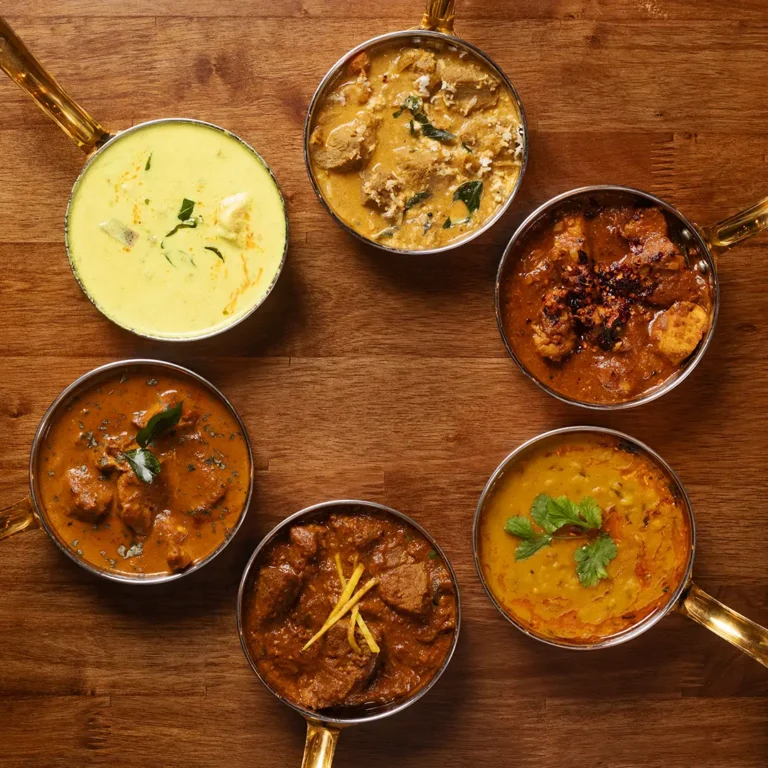
South Indian cooking layers flavour in the pan. Tempered spices and curry leaves bloom in hot oil. Tamarind offers brightness. Coconut adds roundness. Sauces stay clear and expressive. There is no need for wheat to create body.
How we cook at Madurai
Our kitchen is fully gluten free and Coeliac UK accredited. We keep rice and lentils at the centre, then build flavour with fresh aromatics, gentle heat, and sourness for lift. If you want a helpful starting point, explore our A la carte menu, Lunch Menu, or Early Evening Offer. Pair your meal from the Drinks list and learn more on the About Madurai page.