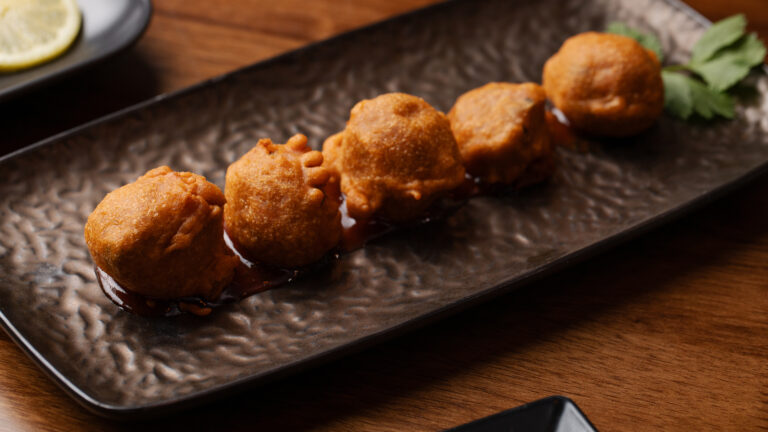

South Indian Food in Glasgow: How a Meal Works If You’ve Never Had One
Most restaurant menus in Britain are built like a staircase. Starter, main, dessert, each step announced by its centrepiece and finished before the next begins.
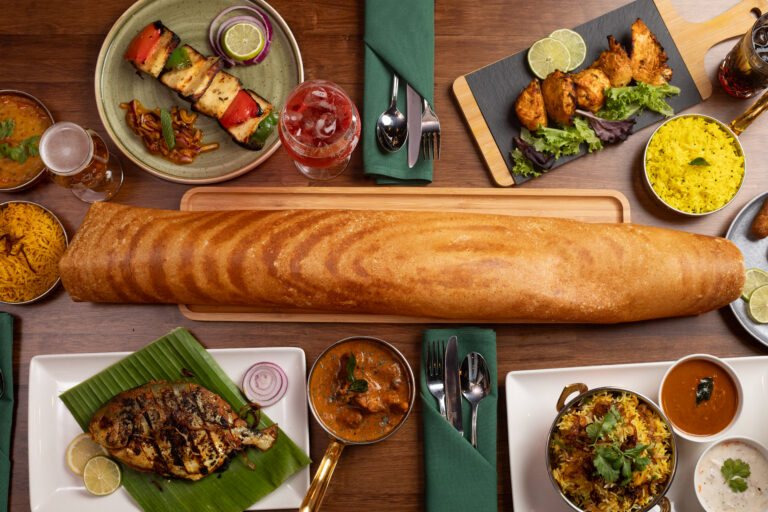
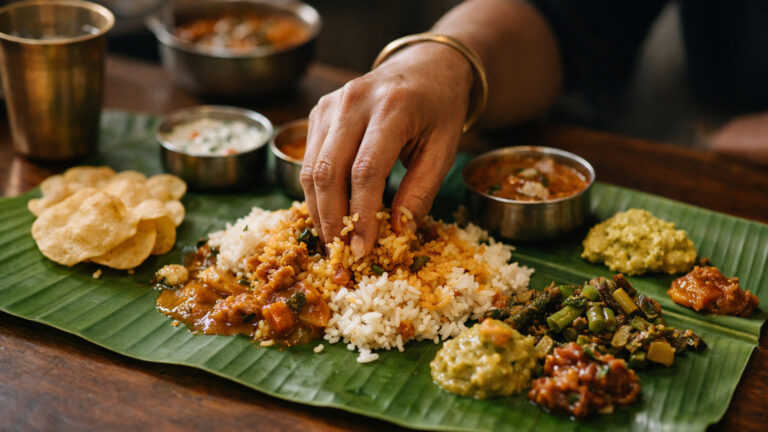
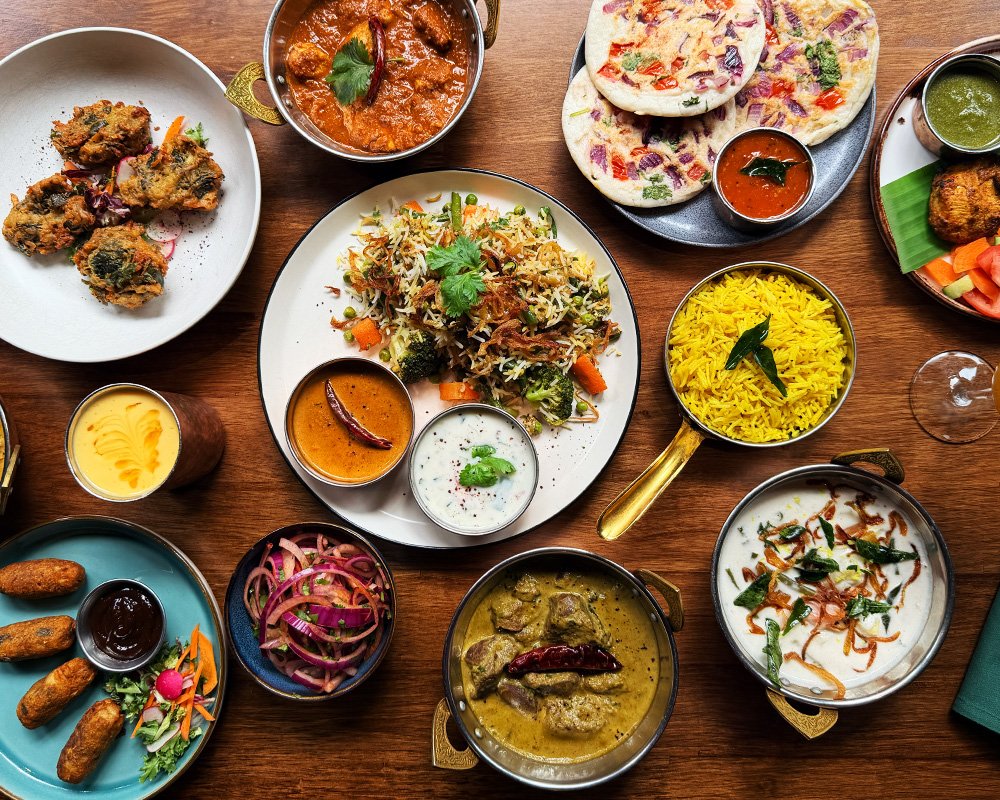
South Indian food in Glasgow asks you to think in a different shape. Instead of steps, picture a composition, where the whole meal is designed at once and every element exists to answer another. Once you see that, a first visit to a South Indian-inspired restaurant stops feeling like a puzzle and starts feeling like a plan.
There is real science behind the idea, too.
Why South Indian Food Is Built on Contrast
In 2015, researchers at the Indian Institute of Technology Jodhpur set out to test a popular notion in Western kitchens: that ingredients sharing flavour compounds belong together. They analysed recipes from eight regional Indian cuisines, South Indian among them, and published their findings in PLOS ONE.
The result ran the other way. In every cuisine they studied, the more flavour compounds two ingredients shared, the less often they turned up in the same recipe. Spices did much of the work in shaping that pattern.
One caveat is worth keeping in mind. The recipes came from a single cookery website, so this is a revealing snapshot rather than a final word.
The authors also place spices in a much longer story. They point out that spice use on the subcontinent dates back to the ancient Indus civilisation, and that one leading explanation for the habit is practical: spices help fight the bacteria that spoil food. Flavour and function, in other words, have long travelled together.
Still, think about what it means at the table. A meal built this way is less a chord of similar notes than a conversation between different ones. Something rich meets something sharp. Something soft meets something with bite. Nothing is asked to do everything, because something else on the plate is doing the opposite.
Six Tastes on One Plate
The thinking behind that balance goes back much further than any dataset. Ayurveda, India’s classical system of medicine, sorts food into six tastes: sweet, sour, salty, pungent, bitter and astringent. Traditional Chinese medicine, by comparison, recognises five, according to the same paper.
The tradition holds that a balanced meal touches all six, so no single flavour has to dominate. How closely any one household follows the framework varies, but it explains why a South Indian meal so often feels rounded rather than one-note.
Astringency is the taste Western diners rarely name. It is the dry, slightly tightening sensation you get from strong tea, and it is a useful reminder that flavour is about far more than sweet, salt and sour.
Tamarind and the Sour Note That Travelled
Take sourness. Tamarind is a favourite souring ingredient across the Indian subcontinent, and it is tempting to assume it has always grown there. Encyclopaedia Britannica records that the tree is native to tropical Africa.
Its name has a story too. It comes from an Arabic phrase meaning “date of India”, according to one scientific overview, because the dark, sticky pulp resembles dried dates.
Even a flavour this familiar in Indian kitchens arrived from somewhere else, carried by trade and adopted so thoroughly that it now seems inseparable from the cooking. Food cultures work that way. They absorb, adapt and make things their own.
Rice, Lentils and Gluten-Free Dining in Glasgow
Rice and lentils sit at the heart of a great deal of South Indian cooking, which brings a practical advantage. Coeliac UK lists rice and lentils among the naturally gluten free foods that meals can be based on.
Naturally gluten free is not the same as safe for someone with coeliac disease, though. In a restaurant kitchen, the risk lies in shared fryers, utensils and surfaces. That is why Coeliac UK runs an accreditation scheme, and why, as the charity explains, an accredited venue and its staff have been through strict audits and training.
Madurai’s kitchen is fully gluten free and accredited by Coeliac UK. The charity also notes that at accredited venues you won’t see disclaimer statements on menus. For anyone looking for gluten-free dining in Glasgow, that removes a question many people are used to asking before they sit down. You can read more on our gluten-free information page.
How to Approach South Indian Food in Glasgow for the First Time
Armed with all that, a first visit gets simpler.
Think about the table rather than the course. Instead of one main each, consider how the things you choose will answer each other: something rich beside something sharp, something soft beside something with texture. If you are dining with others, sharing makes that easy.
Try not to rank flavour by intensity alone. Sourness, bitterness, freshness and richness all matter, and a meal that balances them can feel light even when it is full of flavour.
If you avoid gluten, Coeliac UK’s own advice for any restaurant is worth remembering: call ahead, explain clearly that it is a health need rather than a preference, and confirm your order before you eat. Accredited venues are built around exactly those conversations.
And ask. The team at Madurai, a South Indian-inspired restaurant on St Vincent Street in Glasgow city centre, can talk you through the menu. Tell them what you usually enjoy and let them help you build the balance.
A Meal Designed as a Whole
To sum up: a South Indian meal is built on contrast rather than similarity, guided by a six-taste tradition, shaped by ingredients that travelled a long way to get there, and, thanks to rice and lentils, often naturally gluten free.
Perhaps the shift worth keeping for a first-timer is the one we started with. Stop looking for the staircase. Look for the composition, and the menu starts to read like an invitation to build something rather than a list to get through.
Experience South Indian food in Glasgow
Book your table at Madurai or call 0141 221 7722
Madurai, 142A St Vincent Street, Glasgow, G2 5LQ