
Rice, the Everyday Grain With a Complicated History in South Indian Cooking
Rice usually turns up as an afterthought, a plain bowl set beside the curry that gets all the attention. In South Indian cooking, that ordering is backwards. South Indian rice is not a side dish. It is the structural material everything else is built on, and it comes with a history most diners never get told.
Long before it reached a plate in Glasgow, rice reshaped the physical landscape of southern India. It also happens to explain, more than any deliberate dietary choice, why so much South Indian food is naturally gluten free.
A Grain Nine Thousand Years in the Making
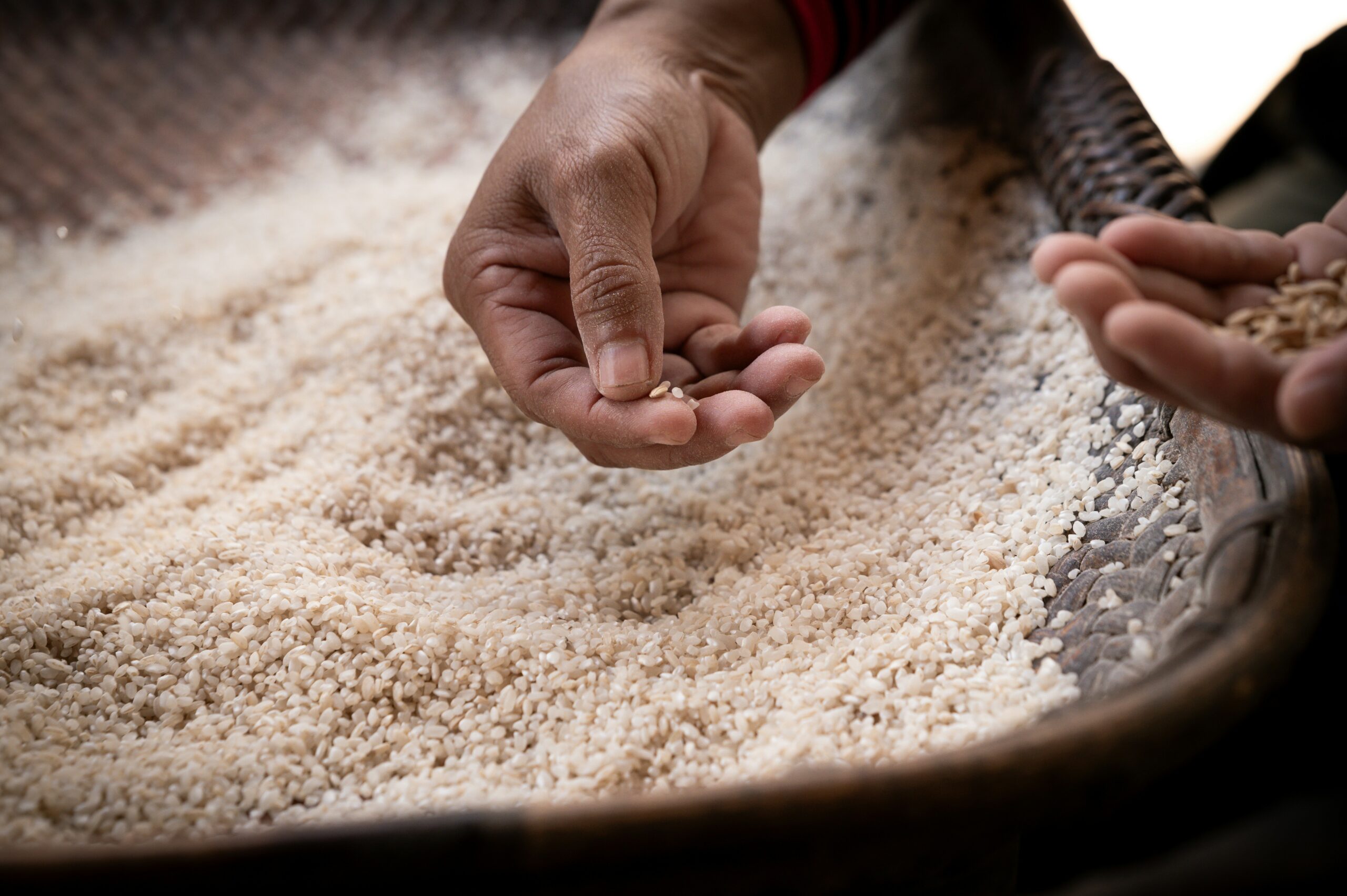
Rice is one of the oldest domesticated crops on the planet. The earliest solid archaeological evidence comes from central and eastern China, where cultivation dates back roughly seven to nine thousand years, according to Encyclopaedia Britannica. From there, the story gets more interesting for South India specifically.
Research published in Nature suggests that the japonica strain of rice, domesticated first in China, eventually made its way to India, where farmers crossed it with a local wild variety. That cross produced indica rice, the type that now dominates South Asian cooking, including the long-grain varieties used across South Indian kitchens today. In other words, the rice on a South Indian plate is the product of a genetic collaboration between two very different parts of Asia, separated by thousands of kilometres and thousands of years.
By the time rice reached the fertile plains of what is now Tamil Nadu, it had already travelled an extraordinary distance. What happened next turned it into an economic and political force.
The Dam That Turned a River Into a Rice Bowl
Growing rice at scale needs one thing above all else: reliable water. The Cauvery river delta in Tamil Nadu had fertile soil, but the river itself was unpredictable, prone to flooding in the monsoon and running low the rest of the year. Around the second century AD, the Chola king Karikalan solved this with a piece of engineering that still works today.
The structure, known as the Kallanai or the Grand Anicut, diverted the Cauvery’s water into irrigation channels across the delta rather than letting it flood unchecked into the sea. According to the International Commission on Irrigation and Drainage, the dam was built from unhewn stone with no mortar, stretches more than 300 metres across the river, and is considered the fourth oldest dam in the world still in active use, and the oldest in India. It originally irrigated around 69,000 acres. Today, the same basic structure supports irrigation across nearly a million acres of farmland.
That single piece of ancient infrastructure is a large part of why the Cauvery delta became known as the rice bowl of Tamil Nadu, a title the region still holds. Government records for Thanjavur district, at the heart of the delta, describe an area where the majority of the population works in agriculture built around the river’s water, much of it channelled through irrigation networks that trace their origin back to the Grand Anicut, according to the Thanjavur district administration. It is a rare example of infrastructure built under one empire still doing its job under a completely different political and agricultural system two thousand years later.
Fertile soil and dependable irrigation meant rice could be grown reliably, season after season. That reliability is exactly why it became the base of nearly every meal, and why it quietly shaped the gluten-free character of the cuisine built around it.
Why South Indian Rice Cooking Ended Up Naturally Gluten Free
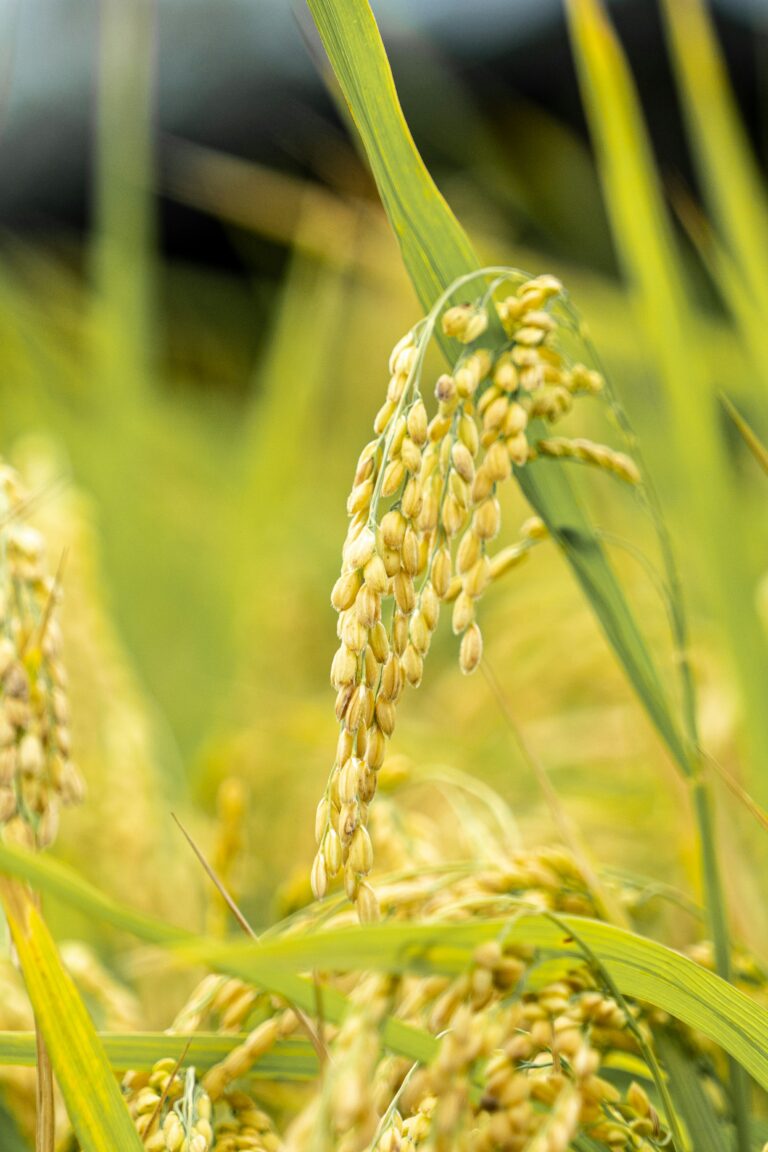
None of this happened by design. Wheat, the grain behind gluten, needs a drier, more temperate climate than the Cauvery delta offers. Rice, by contrast, thrives in exactly the flooded, humid conditions the delta provides. So South Indian cooking developed around rice and lentils rather than wheat, centuries before anyone had a word for gluten intolerance.
That distinction matters medically, not just historically. Coeliac UK confirms that rice, in all its forms, contains none of the proteins found in wheat, barley or rye that trigger coeliac disease. It sits alongside foods such as corn and potatoes on the list of grains people with coeliac disease can safely eat, provided there is no cross-contamination during processing or cooking. South Indian cooking was gluten free for practical, agricultural reasons long before it became a dietary label anyone needed.
That is also the reasoning behind the fully gluten-free kitchen at Madurai. It is not a workaround built on top of a wheat-based cuisine. Rice and lentils were already doing the structural work, so building a Coeliac UK accredited kitchen around them was a natural extension of how the food was always cooked, not a reinvention of it.
From Paddy Field to Plate
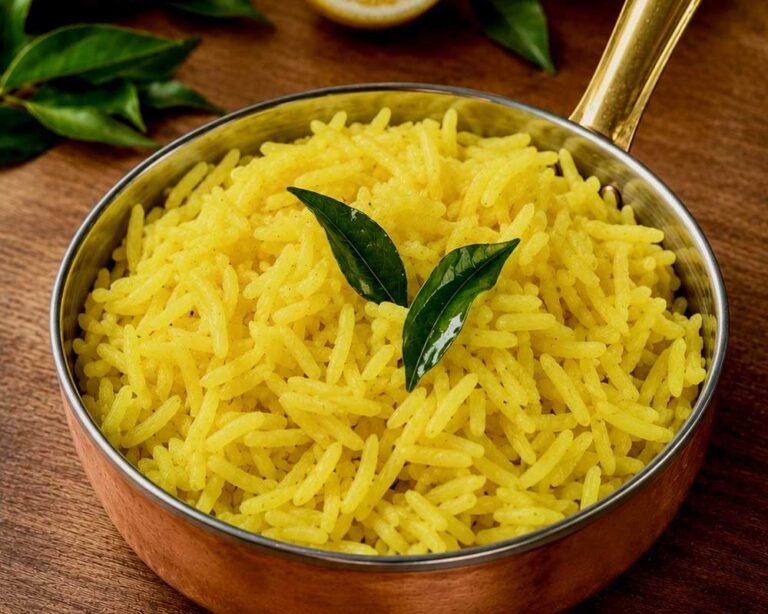
Once rice reaches the kitchen, it takes on forms that would be unrecognisable as the same grain. Soaked, ground and fermented overnight with lentils, it becomes the batter behind a dosa, the thin, crisp crepe that has become one of the more familiar South Indian exports in British cities. Cooked simply and finished with lemon and mustard seed, it becomes a completely different dish again. Slow-cooked with spices and other ingredients, it takes on yet another character entirely.
The point is not the individual dish. It is the range. A single grain, grown in a river delta shaped by two-thousand-year-old engineering, ends up doing more work across a South Indian menu than almost any other ingredient. That versatility, more than any single recipe, is what makes rice worth paying attention to.
Rice at Madurai
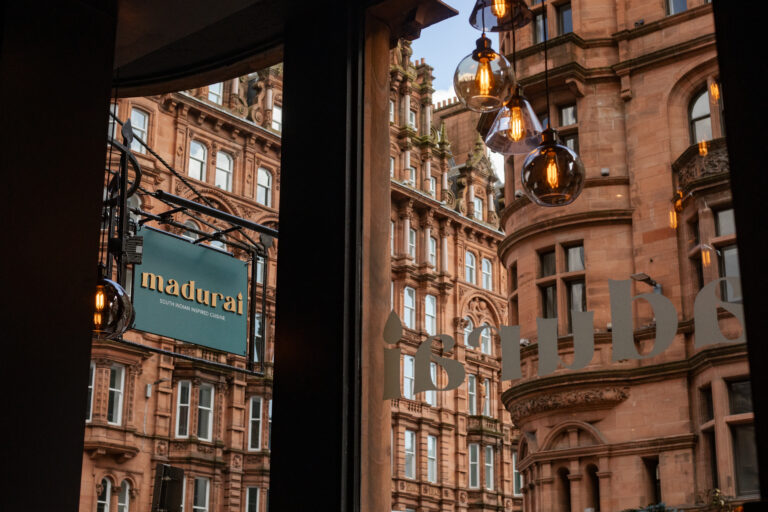
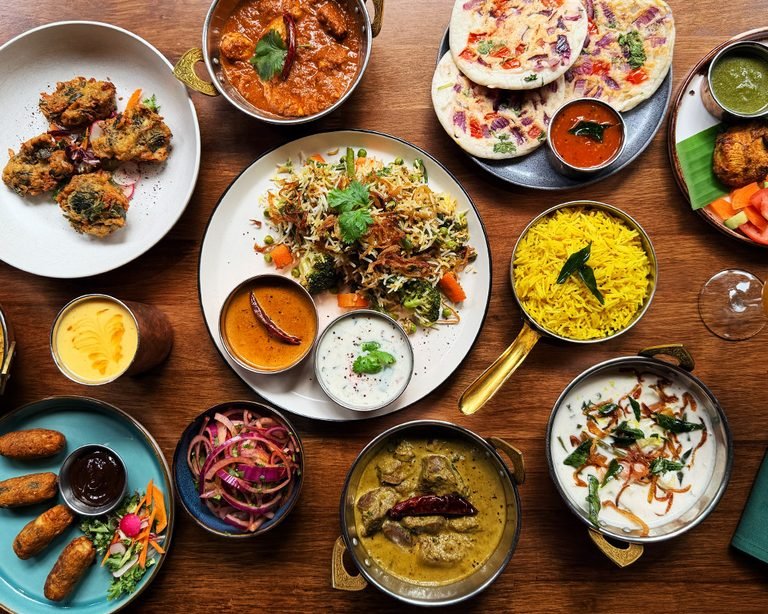
At Madurai on St Vincent Street, that same principle holds. Rice sits at the centre of the menu, from simple steamed rice through to lemon rice and the dosas made from a fermented rice and lentil batter.
Every dish is prepared in a kitchen that is fully gluten free and Coeliac UK accredited, a position rice made possible long before anyone in Glasgow was cooking with it.Whether you are gluten free by necessity or simply curious about a grain with more history than most main courses, it is worth remembering that the rice in front of you connects back to a river delta in Tamil Nadu and a dam that has quietly done its job for two thousand years.
Experience gluten-free South Indian food in Glasgow
Book your table at Madurai or call 0141 221 7722
Madurai, 142A St Vincent Street, Glasgow, G2 5LQ