
Kings, Legends and Sacrifice: Astonishing Stories for Father’s Day
Some stories about fathers are quiet. These three are not.
They span a defeated king forced to hand over his own children, an emperor who sent his army two thousand miles to fetch water from a river he’d never seen, and a legend about a child born into a union that scandalised an entire society and went on to write one of the most quoted texts in human history.
Different centuries. Different worlds. But each one says something startling about what a father will do, and what a father’s actions can set in motion long after he’s gone.
The King Who Handed Over His Own Sons
In February 1792, on the island fortress of Seringapatam in present-day Karnataka, a ceremony took place that shocked people on both sides of the conflict.
Tipu Sultan, the ruler of Mysore, had just been defeated by a combined British, Maratha and Hyderabadi force after a brutal siege. As part of the peace terms, the British commander Lord Cornwallis demanded something almost unthinkable: two of Tipu’s own sons, handed over as hostages to guarantee that Mysore would honour the treaty.
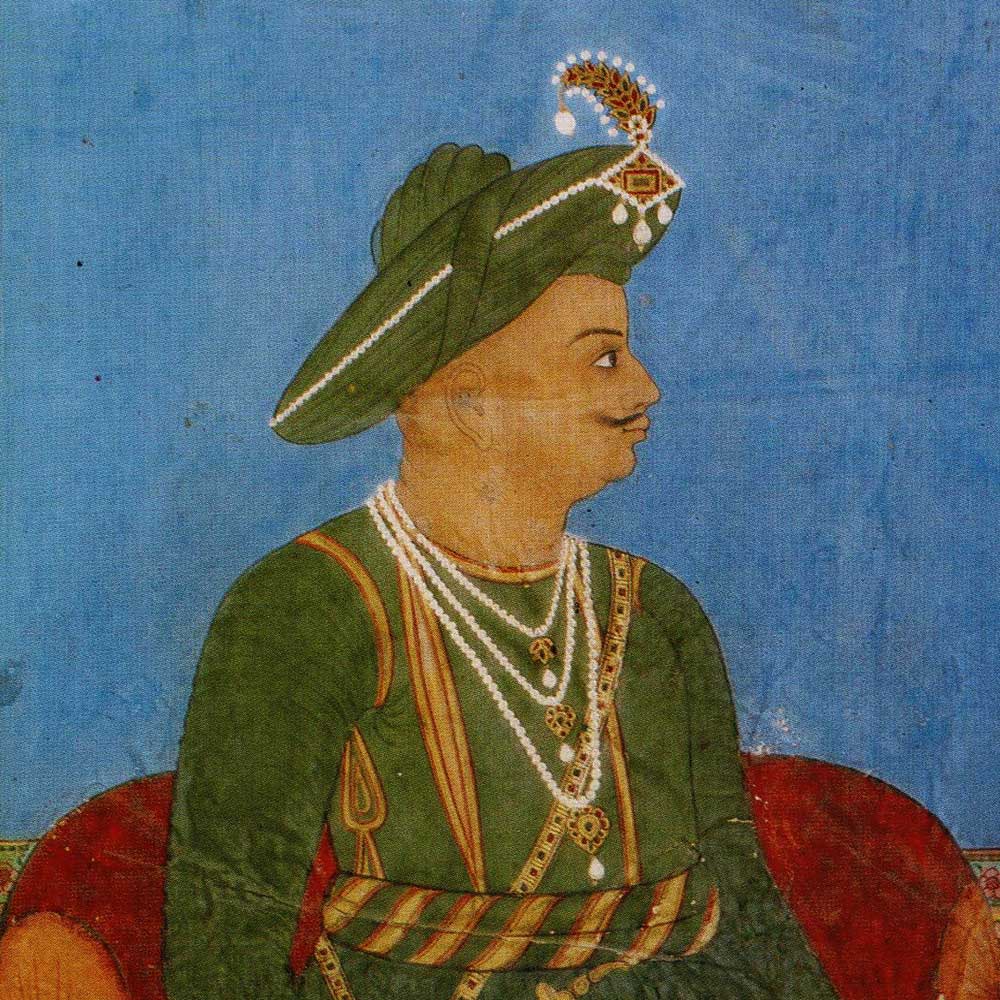
On 26 February, two young princes, aged around eight and ten, were dressed in ceremonial finery and mounted on elephants. In a procession with camels and standard bearers, they were led out of their father’s fortress and delivered into the hands of the very army that had just defeated him. The scene was considered so dramatic that a British artist painted it, and the image was later circulated across Europe as a symbol of imperial triumph.
Tipu Sultan, a ruler famous for his fierce resistance to British expansion, was forced into one of the hardest things a father can do: send his children away to secure the future of everyone else under his rule. The boys were eventually returned, but the image of that procession, two children leaving their father’s side as the price of peace, remains one of the most striking moments in South Indian history.
The Emperor Who Sent His Army to Fetch a River
A few centuries earlier, a very different kind of father-son story was unfolding in the Chola heartland of present-day Tamil Nadu.
Raja Raja Chola I had built the Chola dynasty into the dominant power of South India, constructing the extraordinary Brihadisvara Temple and expanding Chola influence across the region. When his son, Rajendra Chola I, inherited the throne in 1014 CE, he didn’t just continue his father’s work. He set out to do something no South Indian ruler had attempted before.
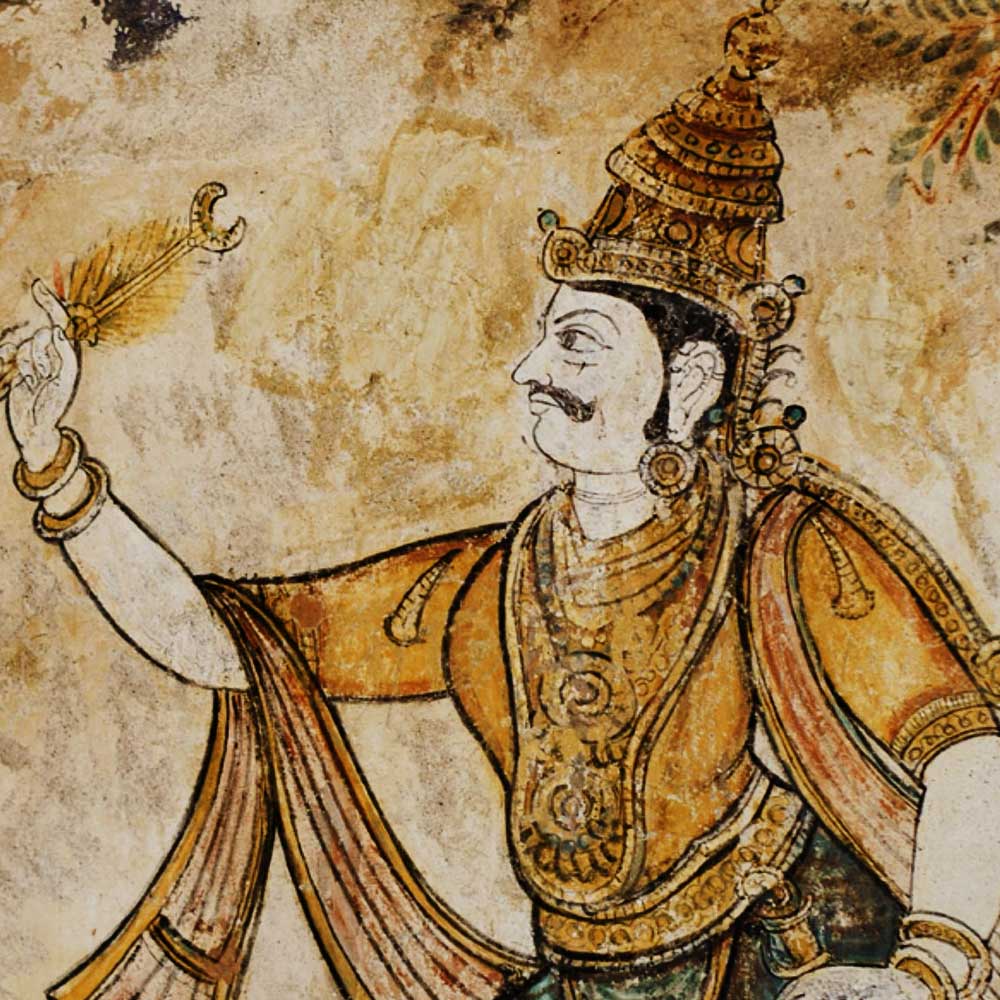
Rajendra sent his armies north, all the way to the banks of the Ganges, over a thousand miles from home. According to the inscriptions his court left behind, the campaign was framed almost like a myth come to life, comparing Rajendra to a legendary king who had once brought the sacred river down from the heavens.
Then came the truly astonishing part. Rajendra had his soldiers carry water from the Ganges, jar by jar, all the way back south. He used it to fill a massive man-made lake at his new capital, a city he named Gangaikonda Cholapuram, which translates roughly to “the city of the one who brought the Ganges.”
His navy went further still, crossing the sea to take on the powerful Srivijaya empire in what is now Indonesia and Malaysia, extending Chola influence further overseas than any Indian kingdom had gone before or since.
It’s hard to overstate how strange and ambitious this was. A son, inheriting a powerful kingdom from his father, decided that powerful wasn’t enough. He wanted to bring the most sacred river in the subcontinent home with him, and the ocean wasn’t going to stop him either.
The Legend of a Father Who Broke Every Rule
The final story is less about a single dramatic event and more about a legend that has survived for nearly two thousand years, precisely because of how unlikely it is.
Thiruvalluvar, the Tamil poet who wrote the Tirukkural, a work still quoted in the Indian parliament and classrooms today, is one of the most revered figures in South Indian history. Almost nothing is known for certain about his life. But the most persistent legend about his origins is a startling one: that his father was a higher caste Brahmin and his mother was from a community considered untouchable under the rigid caste norms of the time.
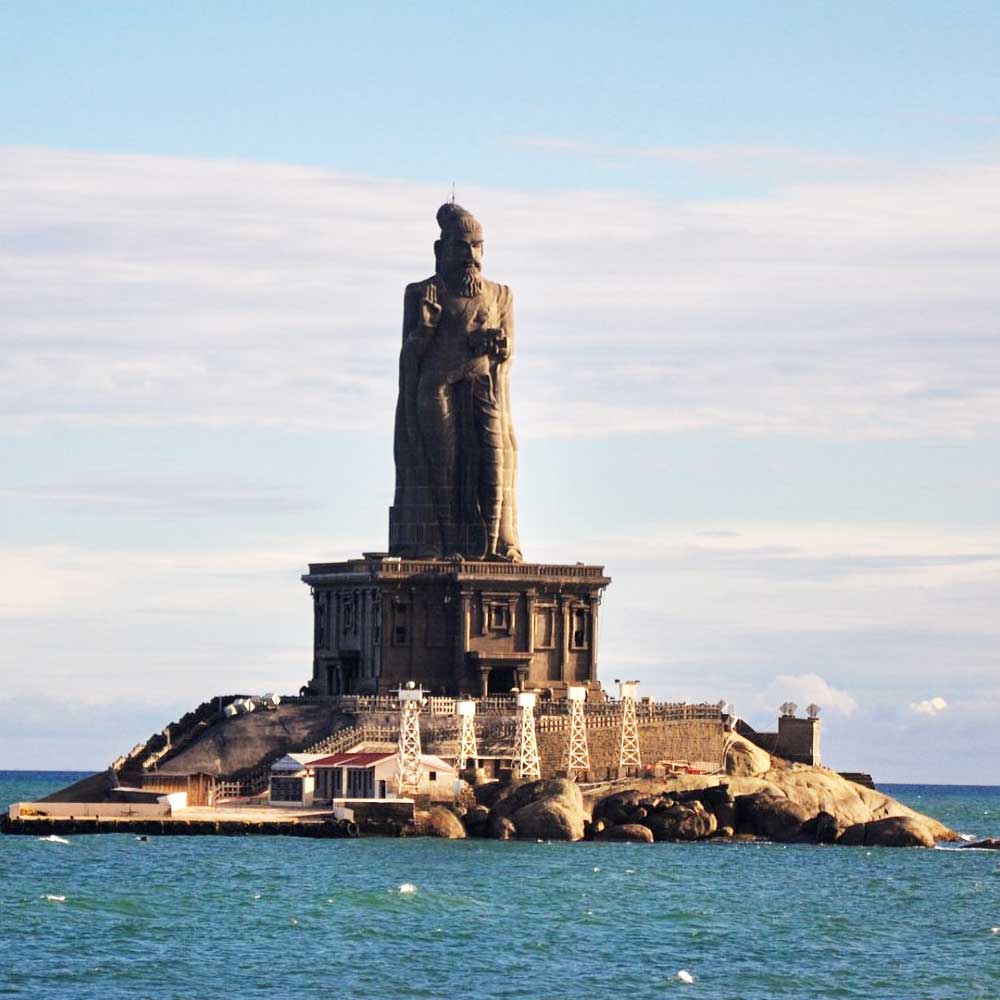
In a society where such a union would have been treated as scandalous, even dangerous, the legend holds that this child grew up to write a text so universally wise that it transcends religion, caste, and centuries. The Tirukkural doesn’t preach to one community. It speaks to rulers and farmers, the wealthy and the poor, in the same breath.
Whether or not the details are historically verifiable, the legend itself has endured for a reason. It tells generations of Tamil people that wisdom doesn’t check where you came from before it arrives. And at the centre of that legend sits a father whose very existence, by the standards of his time, was an act of quiet defiance.
What These Three Stories Have in Common
A defeated king forced to give up his children. An emperor who sent his army to the ends of the earth and back. A legendary father whose own existence broke the rules of his world.
On the surface, nothing connects these three stories. But look at what each father set in motion. Tipu’s sons survived their ordeal and were eventually returned to him. Rajendra didn’t just inherit his father’s kingdom, he turned it into something that reached two oceans and a sacred river. And the child of that legendary, defiant union became one of the most quoted voices in Tamil literature, still read aloud in homes and schools today.
None of these men could have known, in the moment, what would come of their choices. That’s perhaps the most astonishing thread running through all three.
Fatherhood, in any century, is an act made without knowing the ending.
A Toast to Fathers, This Father’s Day
On Sunday 21 June 2026, every father dining at Madurai will be treated to a complimentary dram of Indri Trini, an Indian single malt whisky that has picked up international acclaim and award recognition since its launch.
It’s a small gesture, but a fitting one. A drink with its own roots in India, poured for the fathers at the table, on the one day set aside to say thank you for everything they’ve quietly put on the table themselves over the years.
One dram, for every father at the table.
Book a table for Father’s Day, and raise a glass to the fathers in your family.
Madurai is a South Indian restaurant at 142a St Vincent Street, Glasgow G2 5LQ.