
Spice Doesn’t Mean Heat: Rethinking South Indian Flavours
Ask most people in the UK to describe South Indian cuisine and the word “spicy” usually comes first, closely followed by an assumption about chilli heat.
Yet across South India, the word “spice” rarely refers to heat at all. It refers to a vocabulary of aromas: mustard seeds crackling in hot oil, curry leaves releasing their citrus note, the earthiness of cumin, the sharpness of fenugreek. Heat is one small part of a much larger picture, and for many dishes, it barely features.
This distinction matters, especially for diners who have avoided Indian food because they assume every dish will leave their mouth burning. In South Indian cooking, spice is closer to seasoning in the way a French chef thinks about herbs, or an Italian cook thinks about garlic and basil. It builds depth, not discomfort.
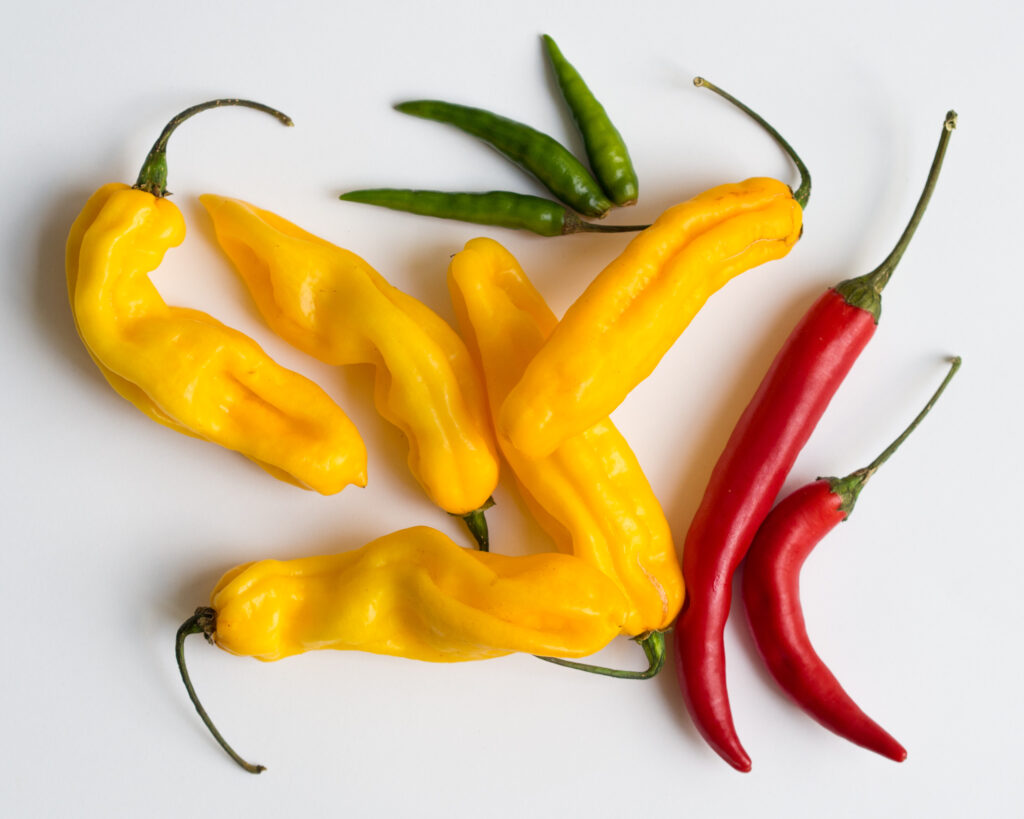
Where the Heat Myth Comes From
Much of Britain’s familiarity with Indian food comes from dishes developed for British palates over the twentieth century, many of which leaned heavily on chilli for impact. Over decades, “Indian food” became shorthand for a narrow band of dishes, and chilli heat became one of its defining features in the public imagination.
South India, by contrast, developed its flavour profile around a completely different set of ingredients, shaped heavily by geography. The Western Ghats, a mountain range running down India’s western coast, form one of the world’s most significant biodiversity hotspots and have long supported the cultivation of pepper, cardamom and cinnamon. Chilli is, in food history terms, a relatively recent addition, introduced to India after European trade routes opened in the sixteenth century, a story covered in detail by Britannica’s history of the spice trade.
The Real Building Blocks of South Indian Flavour
If chilli isn’t the foundation, what is? Four ingredients do most of the work in South Indian kitchens: mustard seeds, curry leaves, coconut and tamarind.
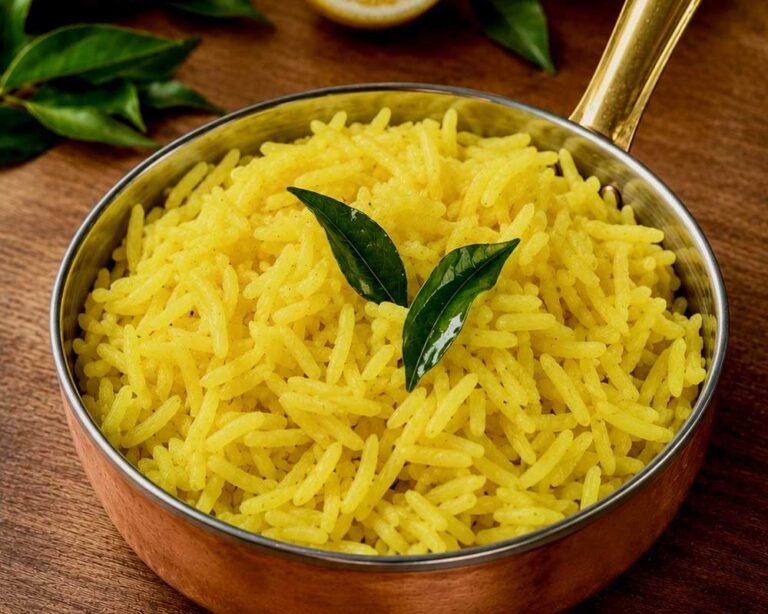
Mustard seeds are typically the first thing to hit the pan. Fried briefly in hot oil until they pop, they release a nutty, slightly sharp aroma that forms the base of many dishes, a technique known as tempering or “tadka”. Curry leaves follow soon after, adding a citrus-like fragrance that is almost impossible to replicate with any substitute.
Coconut, whether grated fresh, simmered into a sauce, or pressed for oil, brings sweetness and body that balances and rounds out other flavours rather than masking them. Tamarind contributes a sour, fruity tang that lifts dishes like sambar and rasam, giving them a brightness that is entirely different from chilli heat. Together, these ingredients create complexity through balance rather than intensity.
Spice Versus Heat: An Important Distinction
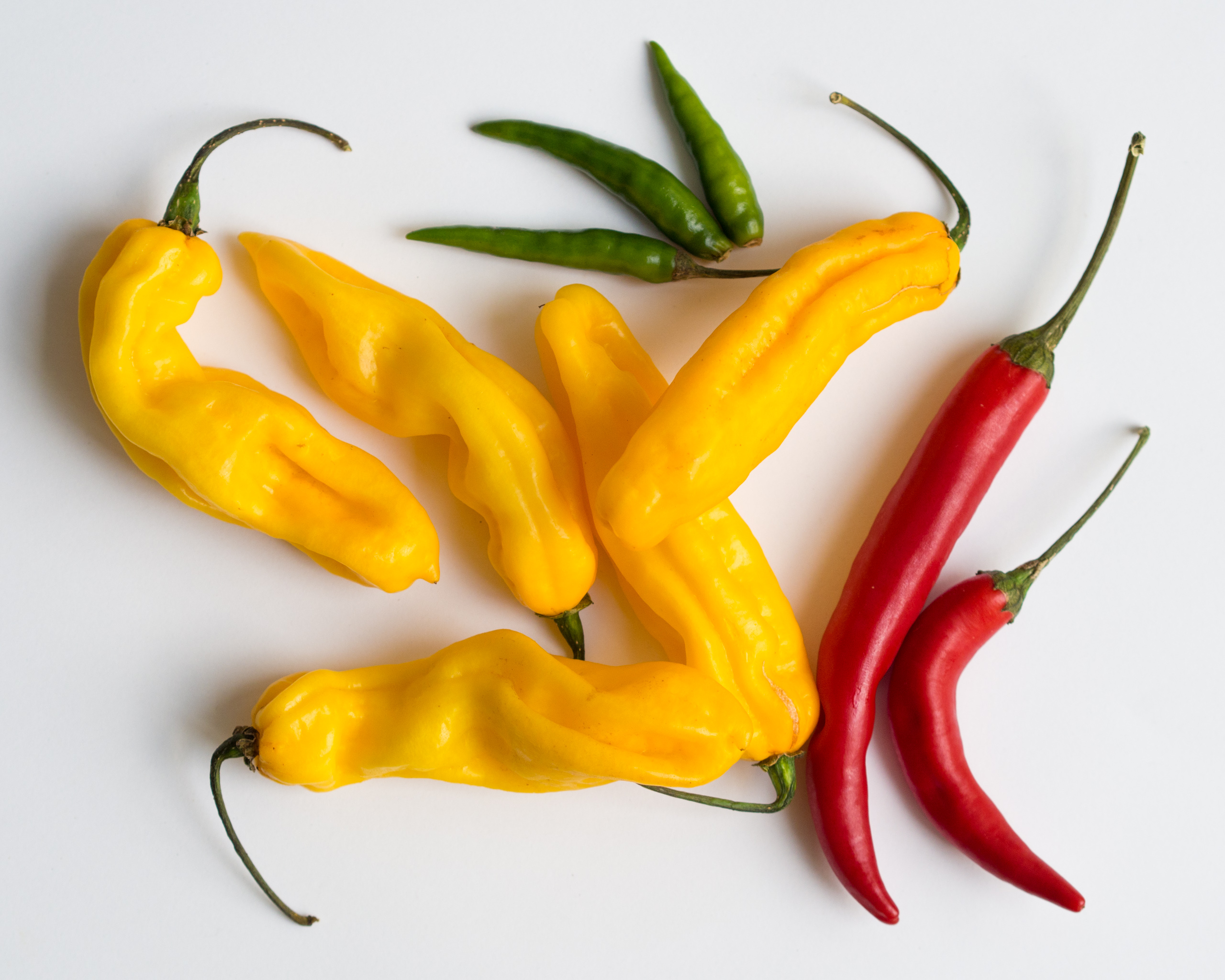
It helps to separate two ideas that often get conflated: spice level, meaning the use of aromatic spices, and heat level, meaning how much chilli is used. A dish can be intensely spiced, layered with cumin, coriander, fenugreek, mustard and curry leaves, while containing barely any chilli at all. Equally, a dish can be very hot and quite flavourless if chilli is the only thing doing the work.
South Indian cooking tends to prioritise the former. Spices are usually toasted or fried to release their oils before anything else goes into the pan, a step that builds aroma and depth from the very start of cooking. Heat, where it appears, is typically used to balance and lift other flavours rather than dominate them. This kind of layered seasoning has been part of South Asian cooking for thousands of years, long predating the chilli pepper’s arrival from the Americas, as the spice trade history above outlines.
How South Indian Cooks Layer Flavour
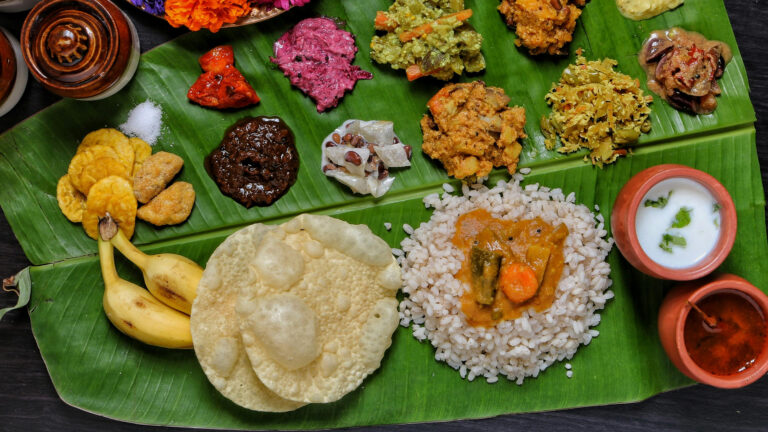
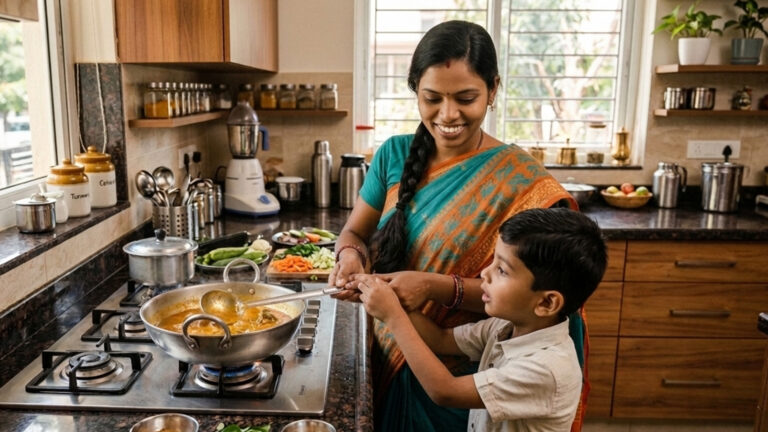
A typical South Indian dish builds in stages. Whole spices are fried first to release their aromatic oils. Aromatics such as onion, ginger and garlic follow, cooked slowly enough to soften and sweeten. Ground spices are added next, often briefly, so they don’t burn and turn bitter. Only then does the main ingredient, whether lentils, vegetables, fish or rice, join the pan.
Each stage adds something different: aroma, sweetness, earthiness, sourness. Heat, when present, is simply one more layer rather than the entire structure.
What This Means for Diners in Glasgow
For guests visiting Madurai on St Vincent Street who are unsure what to expect, this is worth knowing. A South Indian-inspired menu offers a much wider range of flavour experiences than the word “curry” might suggest. Some dishes are mild and comforting, built around coconut and gentle spicing. Others have more chilli warmth, but it tends to sit alongside other flavours rather than overpowering them.
The best approach for anyone new to South Indian flavours is simply to ask. Staff can usually describe how a dish is seasoned and what role chilli plays in it, so guests can choose dishes that suit their preferences rather than guessing. The full menu reflects this range, from lighter, coconut-based dishes to those with more warmth, and there’s no need to assume that “spiced” automatically means “hot”.
A Different Way to Think About Flavour
South Indian cuisine rewards curiosity. Once heat is taken out of the equation as the defining feature, a much richer picture emerges: the citrus snap of curry leaves, the gentle pop of mustard seeds, the sourness of tamarind, the sweetness of coconut. These are the flavours that have shaped South Indian cooking for centuries, long before chilli ever entered the picture.
For anyone keen to explore this further, Madurai’s full menu is available to view online, and the team is always happy to talk through dishes for guests trying South Indian food for the first time. Book a table or view the menu to start exploring.
Experience gluten-free South Indian food in Glasgow
Madurai is a South Indian restaurant at 142a St Vincent Street, Glasgow G2 5LQ. Fully gluten free and Coeliac UK accredited.