
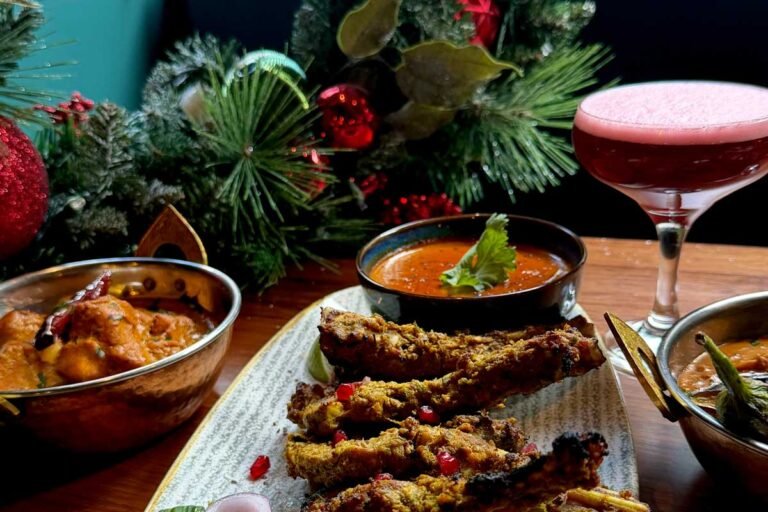
Spice Doesn’t Mean Heat: Rethinking South Indian Flavours
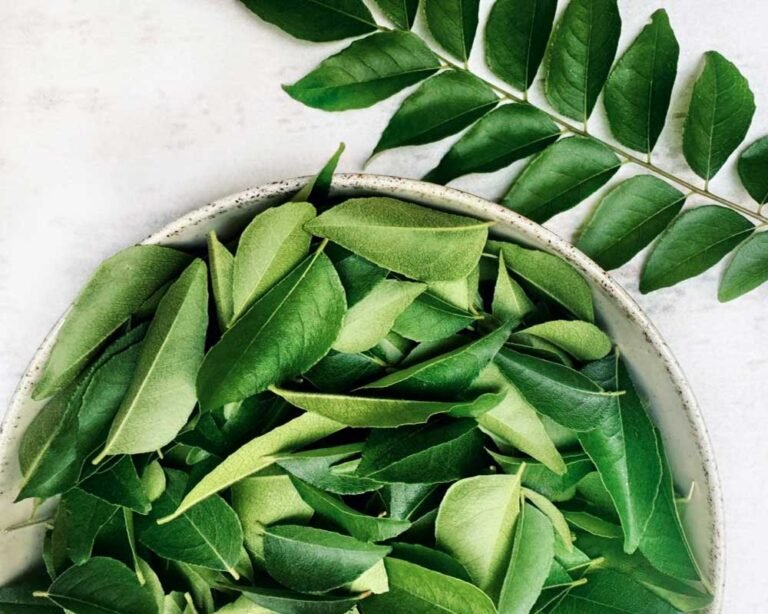
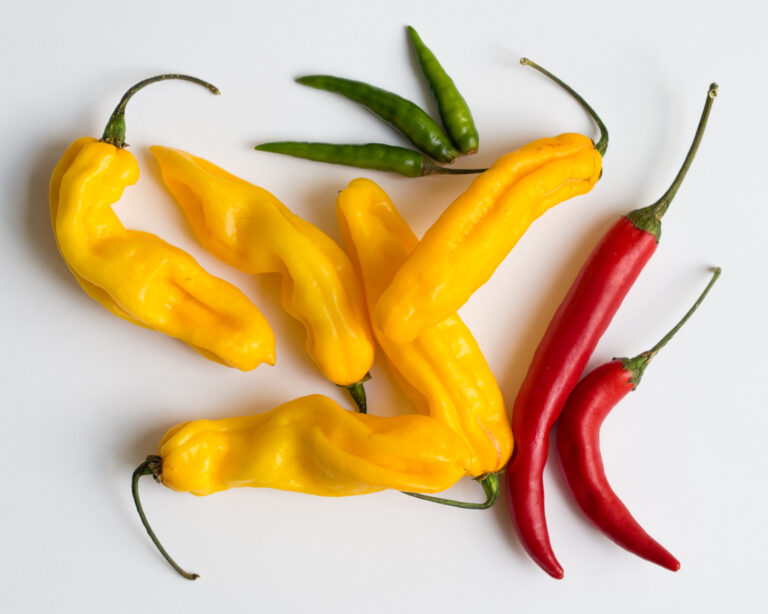
Think South Indian food means chilli heat? Discover the real building blocks of South Indian flavour, from curry leaves to tamarind, and why spice and heat aren’t the same thing.
A king forced to hand over his own sons. An emperor who sent his army two thousand miles for a river. A legend that broke every social rule of its time. Three astonishing father stories from South Indian history.
Two years ago, Madurai opened in Glasgow with a clear and unusual proposition: South Indian food, done properly, fully gluten-free by design. This is the story of what happened next — the dosas that became signatures, the trust built with coeliac diners, and why the best of Madurai still feels like it’s ahead of them.
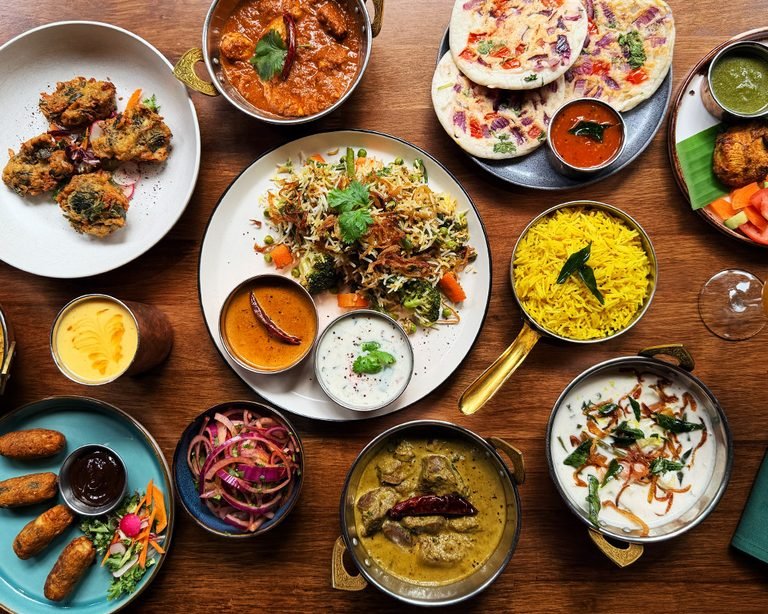
A thali is not a meal you eat in order. Everything arrives at once, a spread of curries, rice, sambar, pickle, and payasam, and the idea is that you eat all of it together, mixing and combining as you go.
Coconut milk, tender lamb, and a handful of aromatic spices. On the surface, Lamb Mappas looks simple. Its history is anything but.
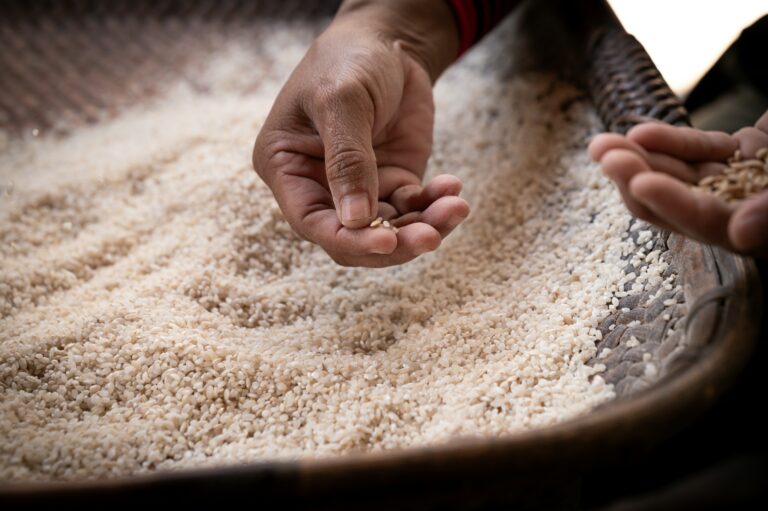
The most important cooking knowledge in South Indian culture was never written down. It lived in your mother’s hands — and it’s been passed that way for thousands of years.
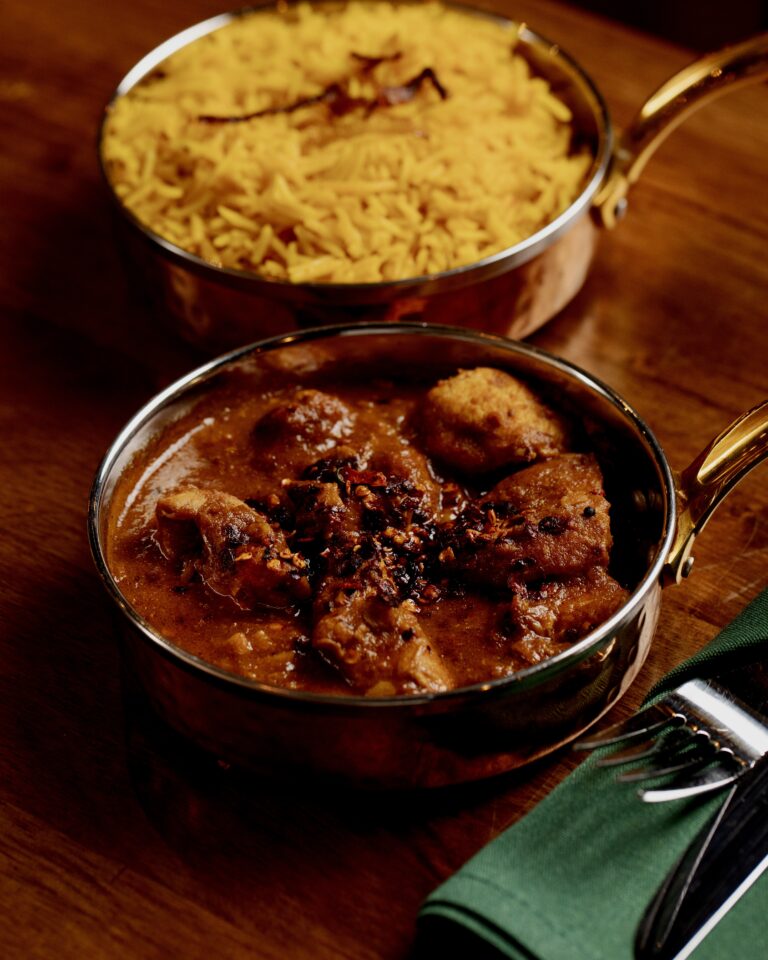
Lamb Ularthu is one of South India’s greatest dishes — bold, dry-fried, and finished with a generous hit of crushed black pepper. Here’s the story behind it, plus the full recipe to try at home.
Eating with your hands isn’t bad manners in South India. It’s the whole point. Here’s the science behind why it actually makes food taste better, plus a bit of history that might make you look at your fork differently.