
Recipe for Lemon Rice: The Simple Dish With a Surprising History
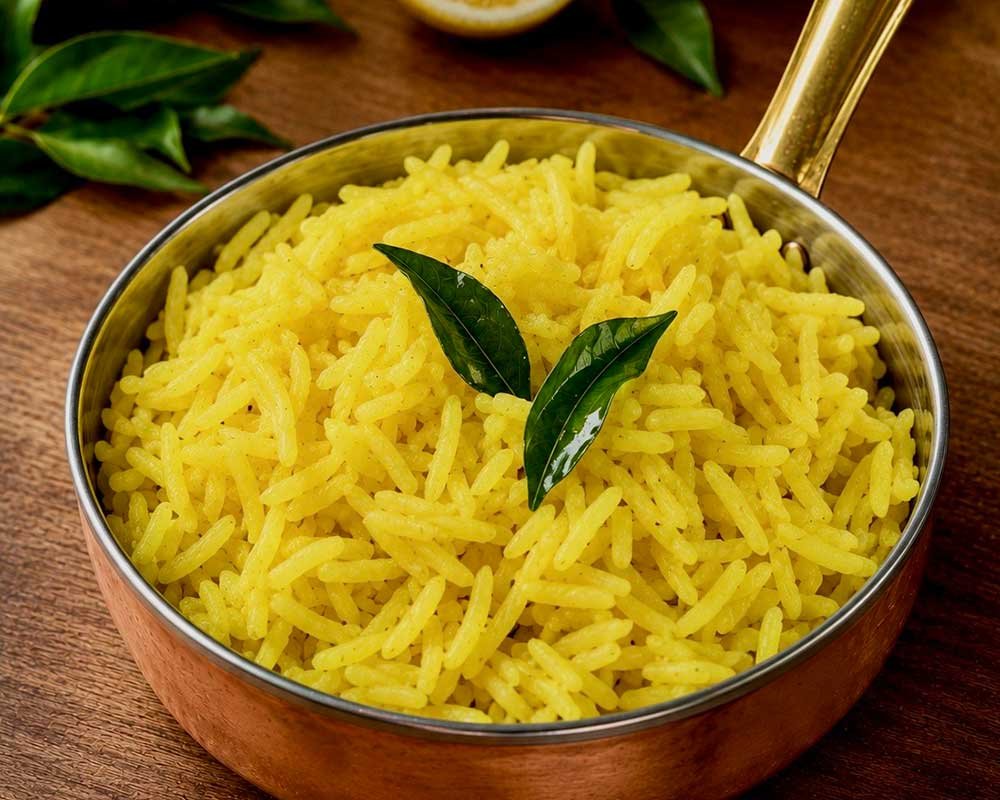
South Indian lemon rice looks unassuming. A bowl of pale yellow rice, flecked with dark mustard seeds and a few curled curry leaves, sitting quietly next to whatever else is on the table.
It rarely gets top billing on a menu. And yet it is one of the oldest surviving rice preparations in th region, built on a technique so efficient that South Indian cooks have barely felt the need to change it in centuries.
That is the real story of lemon rice. It is not a dish that was invented to impress anyone. It was built to use what was already there: leftover rice, a lemon from the tree, a spoonful of lentils, and whatever grew wild by the kitchen door. Understanding how those few ingredients work together explains a great deal about how South Indian cooking developed, and why it still holds up today.
A Dish Built From Almost Nothing
Most great South Indian rice dishes share the same starting point: cooked rice that needs a second life. Rather than reheating it plainly, cooks developed a method of folding in acidity, colour and a quick-fried seasoning to turn something ordinary into something worth sitting down for. Lemon rice is the clearest example of that instinct. The rice itself barely changes. Everything interesting happens around it.
This is also why the dish travels so well between households. There is no single correct version, only a shared method: cool the rice slightly so the grains stay separate, season it with citrus and turmeric, then finish it with a hot, fragrant tempering. The details shift from kitchen to kitchen. The structure does not.
The Tempering: Where the Real Flavour Comes From
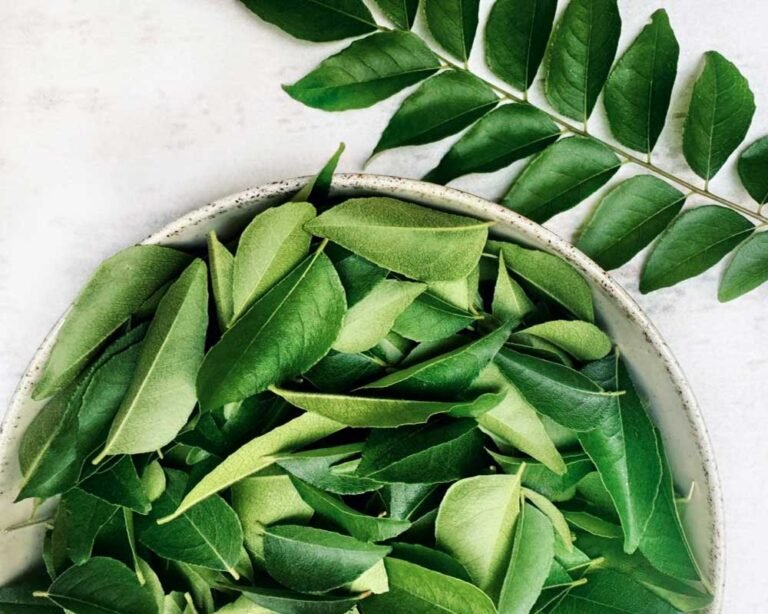
The tempering, sometimes called a tadka, is the part of the dish that actually needs a stove. Mustard seeds go into hot oil first, and the moment they start to pop and splutter, curry leaves and a spoonful or two of split lentils follow. The lentils are not there to be eaten in any quantity. They are there to turn golden and add a light, nutty crunch that plain rice cannot offer on its own.
Curry leaves do most of the quiet work here. According to Encyclopaedia Britannica, the plant they come from, Murraya koenigii, is native to India and Sri Lanka, and its leaves are typically fried fresh in oil or ghee alongside other spices to build the tempering that gives many South Indian dishes their base flavour. It is a small step, but it is the one that separates lemon rice from plain buttered rice. Without the tempering, there is no dish.
A Fruit That Travelled Further Than Most
The lemon itself has a longer journey behind it than most cooks realise while squeezing one over a pan of rice. As Scientific American reports, genetic research has traced true lemons back to a natural hybrid that most likely formed on the Indian subcontinent more than 25 million years ago, as citrus plants developed while the region collided with continental Asia and pushed up the Himalayas. Long before lemon rice existed as a named dish, the fruit that defines it was already growing in the region.
That local origin is part of why the dish feels so settled and unforced. The lemon was not imported for the recipe. It was already there, doing what South Indian cooks have always done well: turning something local and abundant into something worth building a whole dish around.
Why the Colour Comes Before the Heat
Turmeric is added off the heat, right at the end of the tempering, and this small piece of technique matters more than it looks. Turmeric scorches easily, turning bitter if it hits oil that is too hot for too long, so experienced cooks add it once the pan has been removed from the stove. Britannica’s entry on the plant notes that turmeric is native to southern India and Indonesia, where its rhizomes have been used since ancient times as a dye, a stimulant and a condiment. In lemon rice, it does something simpler: it gives the dish its colour without adding any real heat, which is exactly why lemon rice reads as bright and appetising rather than fiery.
A Spice That Arrived Late, and Stayed
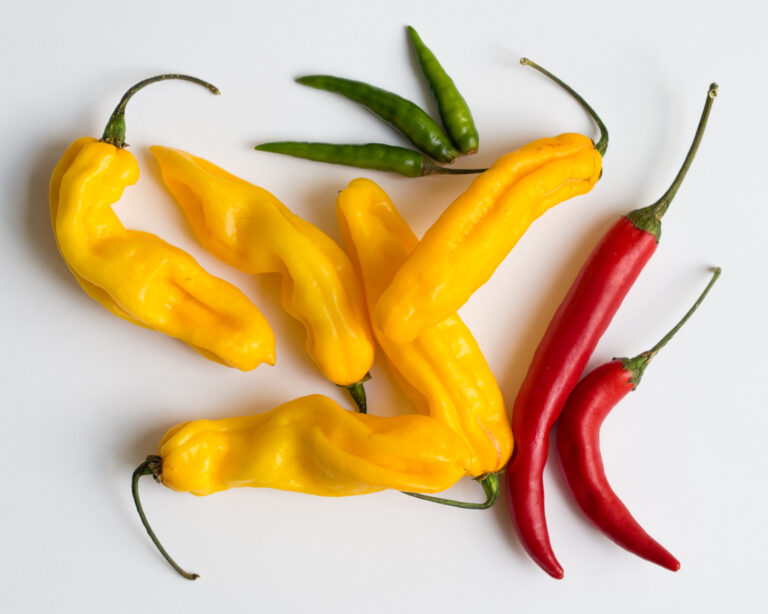
The one ingredient in this dish with a genuinely surprising backstory is the green chilli. Chillies are not native to India at all. Britannica explains that the plant was first domesticated by Indigenous peoples in present-day Mexico roughly 6,000 to 7,000 years ago, and it only reached the Indian subcontinent after Columbus carried the seeds back to Europe, from where the plant spread across Asia and Africa. That means chilli has been part of South Indian cooking for around five centuries, a relatively short window compared to rice, lentils and turmeric, which have been staples for thousands of years. It arrived, fit naturally into a cuisine that already valued sharp, layered flavour, and never left.
Naturally Gluten Free, Without Ever Trying to Be
Perhaps the most useful thing about lemon rice, for a lot of diners today, is what it does not contain. Rice and lentils sit at the centre of the dish, and both are naturally gluten free foods that people with coeliac disease can build a meal around with confidence. Coeliac UK’s guide to gluten free eating lists rice and lentils among the naturally gluten free foods that form a safe base for meals, and confirms that lentils, along with other legumes, are naturally free from gluten. This was never a modern adaptation. South Indian cooking was built this way from the start, long before gluten-free dining became a consideration for restaurants.
That is part of what makes a dish like this so well suited to Glasgow’s growing appetite for coeliac-friendly options. It was never re-engineered to remove wheat. There was never any wheat to remove.
How to Make Lemon Rice at Home
The method has barely changed in generations because it does not need to. Here is how to make it.
Ingredients
Method
A Small Dish That Says a Lot
Lemon rice will never be the dish that gets photographed first or talked about the most. But it is a useful way to understand South Indian cooking as a whole: resourceful, built around a handful of naturally gluten free ingredients, and shaped by centuries of small decisions about what to fry first and what to add last.
Taste Lemon Rice at Madurai in Glasgow
Book your table at Madurai or call 0141 221 7722
Madurai, 142A St Vincent Street, Glasgow, G2 5LQ