
The Story of South Indian Filter Coffee
Coffee reached South India through a legend of seven seeds, picked up a European root along the way and shares an unlikely link with a Glasgow bottle. Discover the history behind South Indian filter coffee and Madurai’s World Coffee Day serves on 1 October.
The chicory that deepens a tumbler of South Indian filter coffee belongs to a plant native to Europe. Stranger still, a coffee and chicory essence was first bottled in Glasgow in 1876, reportedly for soldiers serving in India. Neither fact is what most people expect from a drink so closely tied to the mornings of the south.
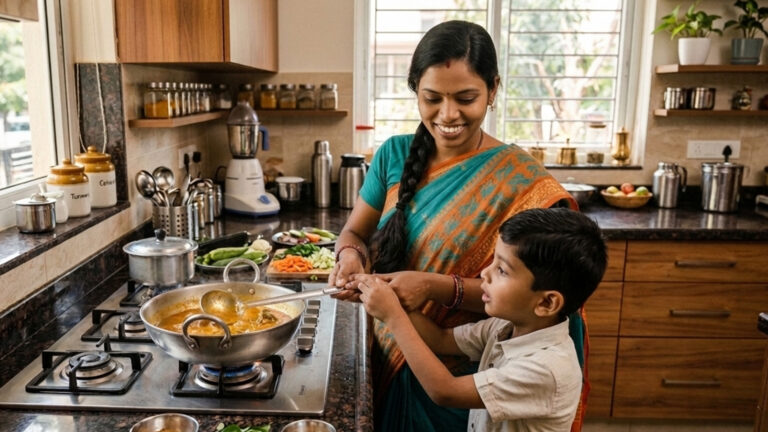
The drink itself is easy to picture: a dark decoction, hot milk, a steel tumbler and a wide, shallow saucer, poured back and forth until foam gathers on top. What is told less often is how the beans arrived, what reshaped the blend and why a Glasgow bottle belongs in the story. It starts, as many good stories do, with a legend.
A Legend of Seven Seeds
Coffee’s own beginnings are uncertain. Britannica notes that wild coffee is thought to have originated on an Ethiopian plateau, in a region called Kefa, although how it was first domesticated is not well documented. The story of how coffee reached India is told with more confidence, if not more certainty.
According to the Coffee Board of India, the saga began when a holy saint named Baba Budan planted seven seeds from Mocha in the courtyard of his hermitage, on the hills of Karnataka that now carry his name. The Board places the planting around 1600 AD, though other tellings date it later in the 17th century. Popular retellings add that the seeds were smuggled out of Yemen, a detail that turns a piece of agricultural history into something closer to a heist.
For a long time, the plants were little more than a garden curiosity, the Board explains, spreading slowly as backyard plantings. Commercial estates followed in the 18th century. Then came a setback. After the 1860s, outbreaks of pests and disease, including leaf rust and white stem borer, began to threaten the Arabica plantations, and a tougher Robusta was introduced from Indo-China towards the 1900s.
That detail matters to anyone who drinks filter coffee. Robusta, the Board notes, is the stronger of the two and is valued in blends, which means a plant disease in the 19th century may still be tasted in a modern cup.
A legend and a hillside do not make a filter coffee, though. Something else had to happen in the kitchen.
What Makes South Indian Filter Coffee Different?
The method is patient by design. Finely ground coffee sits in the upper chamber of a two-part metal filter, and hot water drips slowly through it into the chamber below, gathering as a dark, concentrated decoction. That decoction is not the drink. A spoonful or two goes into a tumbler with hot milk and sugar, and the whole thing is poured between the tumbler and a davara until it cools to a drinkable temperature and takes on a froth.
The pouring is more than theatre. It cools the coffee, mixes the sugar through and builds the foam, all without a spoon. It is a small piece of practical design that has become part of how the drink is recognised.
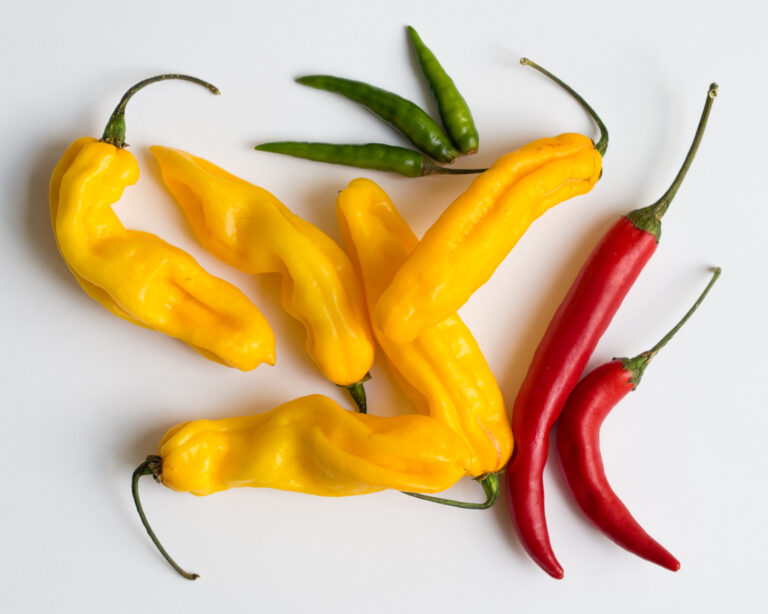
Then there is the chicory. Britannica describes chicory as a blue-flowered plant native to Europe, whose root can be roasted and ground to add colour, body and bitterness to coffee. Many South Indian blends include a measure of it. So a single tumbler of South Indian filter coffee holds beans linked by legend to Yemen, a root from a European plant and a brewing method that belongs to the kitchens of the south.
Exactly when chicory joined the blend is still discussed by food writers, and it is one of the questions this article cannot settle. What can be said is that chicory and coffee have a history of travelling together, which brings us to a bottle in Glasgow.
A Glasgow Bottle With an Indian Connection
In 1876, the Paterson company of Glasgow began producing Camp Coffee, an essence of coffee, chicory and sugar, according to a collection record from Narberth Museum. The idea is believed to have come from a request by the Gordon Highlanders for a coffee drink that an army could prepare easily on field campaigns in India, since grinding and brewing beans was too slow for a military field kitchen.
Glasgow, in other words, was bottling a quick coffee for soldiers in India while the south of India was developing a slow one.
The two are separate inventions with different purposes, one built for speed and the other for patience. Yet they share an ingredient and an instinct: adapting coffee to the kitchen and climate where it lands. For a Glasgow reader, it is a pleasing thought that a familiar city name sits on a bottle with an Indian chapter.
Back on the plantations, the story was moving in a different direction.
Where the Beans Grow, and What Grows Beside Them
Today, coffee growing in India is concentrated in three states. The Press Information Bureau reports that Karnataka, Kerala and Tamil Nadu together account for nearly 96 percent of national production, with smallholders dominating the sector. Recognised regions include Coorg, Wayanad, the Nilgiris and Chikmagalur, and several carry Geographical Indication status.
The same report includes a detail worth pausing on: coffee plantations often double as spice gardens, with pepper, cardamom and vanilla grown alongside the coffee, as well as orange and banana. It is a useful picture of how South Indian flavours develop, with ingredients sharing the same hillside.
Altitude does much of the rest. Arabica prefers higher, cooler ground, the Coffee Board explains, while Robusta suits warmer, more humid conditions. Arabica is the milder and more aromatic of the two, and Robusta brings strength. A blend is, in effect, a conversation between the two.
A Naturally Gluten-Free Drink, With One Sensible Check
For anyone living gluten free, coffee is refreshingly uncomplicated. Coeliac UK explains that gluten is found in the grains wheat, barley and rye, and it lists coffee among the drinks that do not contain gluten.
Filter coffee in its simplest form is coffee, milk and sugar, with chicory root in many blends. None of those is a gluten-containing grain. The sensible check is the one every gluten-free household already knows: blends and flavoured products vary, so the ingredients list is always worth reading.
All of which brings the story back to Glasgow, and to a single day in October.
World Coffee Day at Madurai
On 1 October, Madurai is marking World Coffee Day with two special serves inspired by the drink, available for one day only.
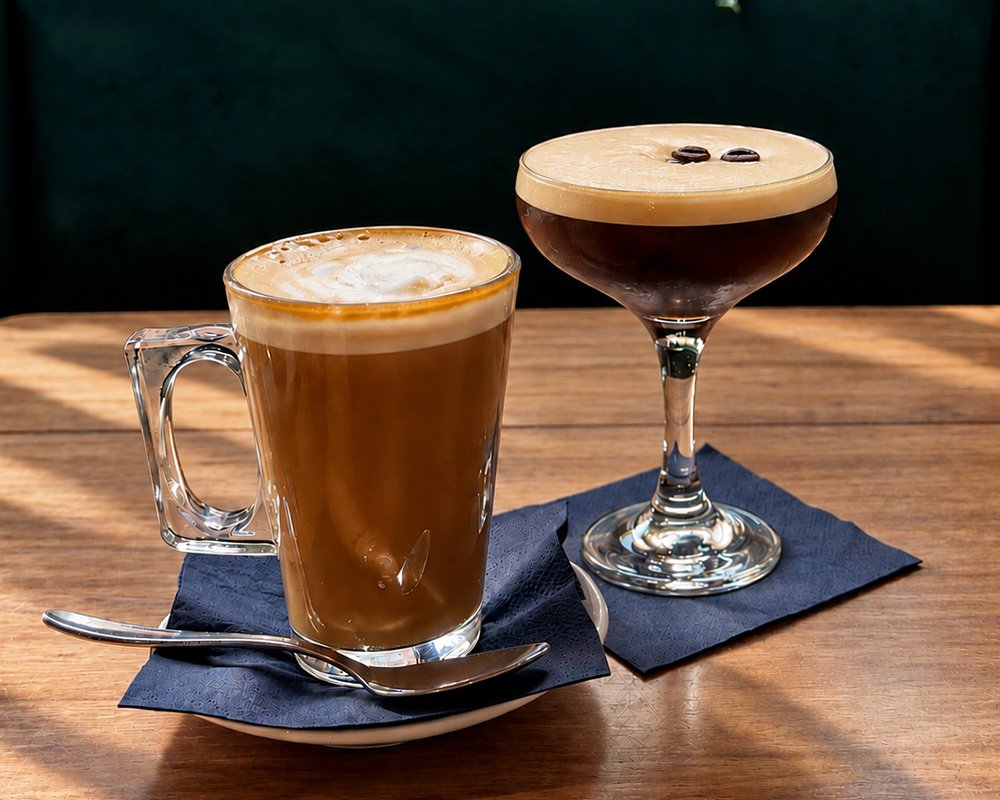
The first is a traditional South Indian Filter Coffee, made with a coffee and chicory blend, brewed into a decoction and combined with hot, frothy milk. It is the drink this article has been following, from the chicory to the froth. The second is the Filter Coffee Martini, made with vodka, South Indian filter coffee and brown sugar, which takes the same flavours into the evening. Coeliac UK lists both coffee and spirits among the drinks that do not contain gluten, and the kitchen at Madurai is fully gluten free.
Why the Story Still Matters
Taken together, the story is one of adaptation. A legend of seven seeds, a plant disease that changed which beans were grown, a European root and a Glasgow bottle all helped shape what ends up in the tumbler. Even the institutions around the drink have travelled: the Coffee Board of India says it runs 12 India Coffee Houses to encourage coffee drinking, a reminder that a drink can be a public habit as well as a household one.
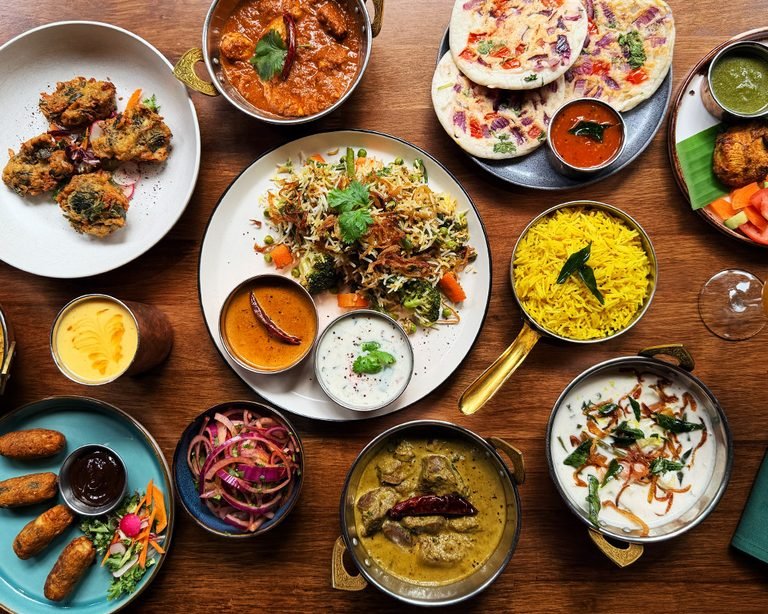
If this story has made you curious about filter coffee and South Indian flavours more widely, Madurai is a South Indian-inspired restaurant on St Vincent Street in Glasgow city centre, with a fully gluten-free kitchen accredited by Coeliac UK. Both World Coffee Day serves are available on 1 October only.
Experience South Indian food in Glasgow
Book your table at Madurai or call 0141 221 7722
Madurai, 142A St Vincent Street, Glasgow, G2 5LQ