
Why Tourists Keep Falling for Glasgow’s Food Scene
Ask someone who has visited Glasgow more than once what brought them back, and the answer is rarely a single attraction.
It is usually something harder to pin down: the way people talk to strangers, the way a night out unfolds, the sense that the city is not performing hospitality but actually living it. That reputation has become one of Glasgow’s biggest draws, and it shapes the experience of eating out here as much as anything else.
A City Visitors Keep Coming Back To
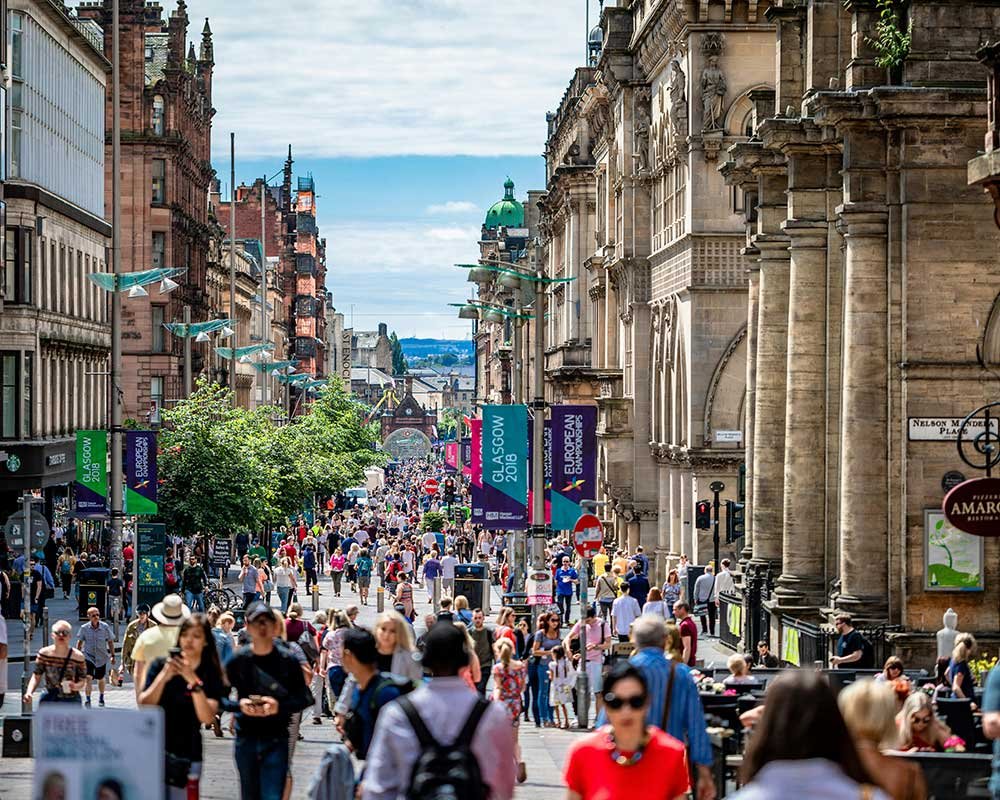
The numbers back this up. According to Glasgow Life’s tourism data, the city welcomed 4.72 million overnight visitors in 2024, an increase of more than 20 percent on the previous year, generating an economic impact of £1.84 billion. That is not a one-off spike. Glasgow Chamber of Commerce reports that June and July are consistently the two busiest months for international visitors, with over a million people visiting the city across those two months alone.
What is striking is that this growth has happened without Glasgow trying to become something it is not. It has not reinvented itself as a tourist attraction built around gimmicks. It has simply leaned into what was already there, and visitors have responded.
Why “People Make Glasgow” Isn’t Just a Slogan
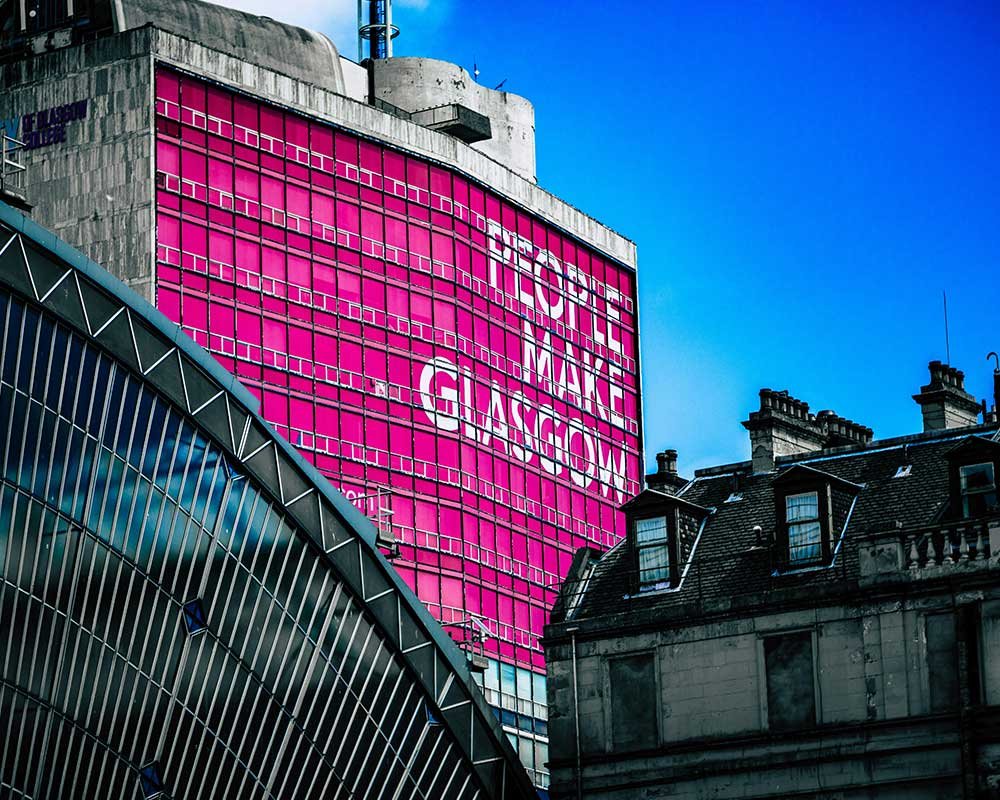
Glasgow’s tourism brand, People Make Glasgow, was launched in 2013 as one of the first crowd-sourced city brands in the world. Rather than a marketing team deciding what the city stood for, Glasgow Life asked residents directly what made the city special, and the answer that came back overwhelmingly was the people themselves.
That slogan has since been backed up by outside recognition rather than just local pride. Time Out’s Time Out Index named Glasgow the friendliest city in the world, based on a survey of more than 20,000 city dwellers globally, with 78 percent of Glaswegians describing their own city as friendly, a higher figure than anywhere else surveyed. That kind of self-reported warmth is unusual, and it shows up in small, specific ways: a bus driver striking up conversation, a stranger giving directions without being asked twice, a restaurant table that turns into a longer chat with staff than expected.
For visitors, that warmth changes how a meal feels. Good food matters, but the experience around it, being spoken to properly, being made to feel like a guest rather than a customer, is often what people actually remember and describe to others afterwards.
Architecture That Sets the Mood for a Meal
Part of what makes eating out in Glasgow distinctive is simply where it happens. The city carries an unusually dense concentration of architecture from one of Britain’s most original designers. Encyclopaedia Britannica notes that Charles Rennie Mackintosh, born in Glasgow in 1868, achieved international recognition in the 1890s partly through a series of remarkable tearooms he designed across Glasgow between 1896 and 1904, spaces built as much for social experience as for architecture itself.
That legacy still shapes how the city centre looks and feels today. Many of Glasgow’s most characterful restaurant buildings sit inside architecture from this era or the Victorian period that surrounds it, giving diners a sense of place that a purpose-built modern unit rarely offers. Eating in Glasgow city centre often means eating inside a piece of the city’s own design history, whether or not a visitor clocks the name above the door.
What Visitors Actually Want When They Eat Out
Talk to people running restaurants in Glasgow city centre and a consistent picture emerges of what visitors are actually looking for. It is rarely novelty for its own sake. More often it is honesty: food that reflects a real tradition rather than a watered-down version built for unfamiliar palates, staff who can explain what is on the plate without a script, and an atmosphere that feels distinctly Glaswegian rather than interchangeable with any other city centre.
This matters more than it might seem. Visitors increasingly arrive having already researched where they want to eat, often specifically seeking out places with a clear identity rather than a safe, generic menu. A restaurant that knows exactly what it is, and communicates that clearly, tends to do better with tourists than one trying to please everyone at once.
Where This Comes Together at Madurai
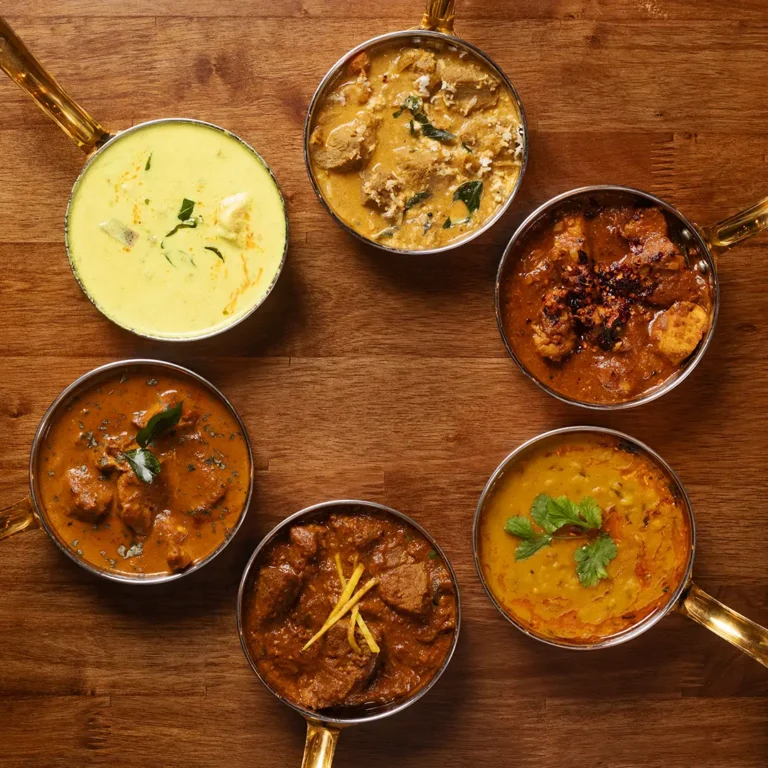
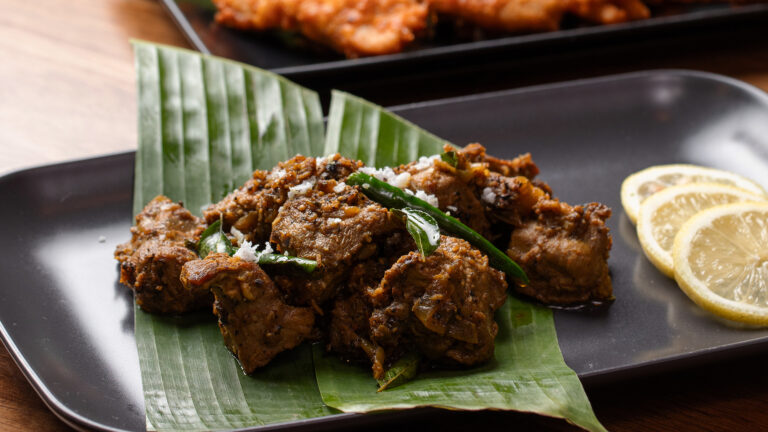
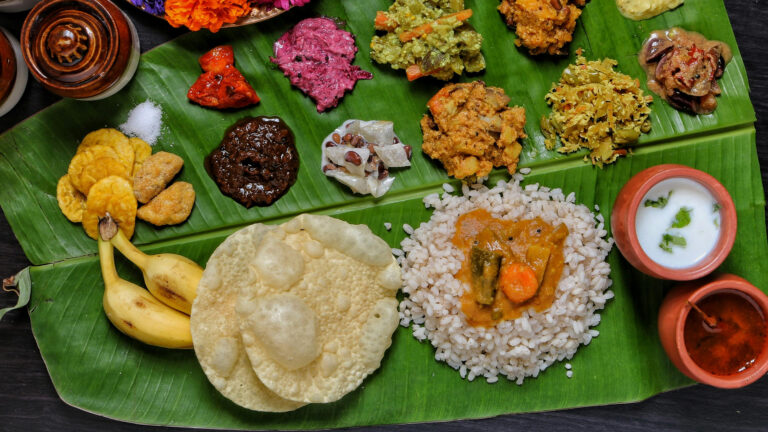
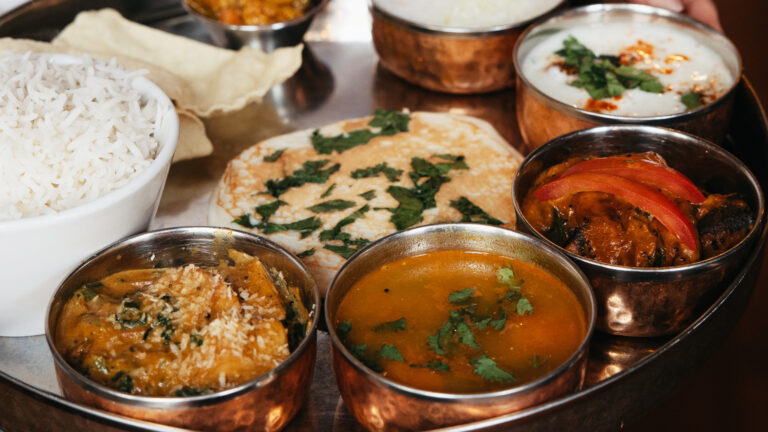
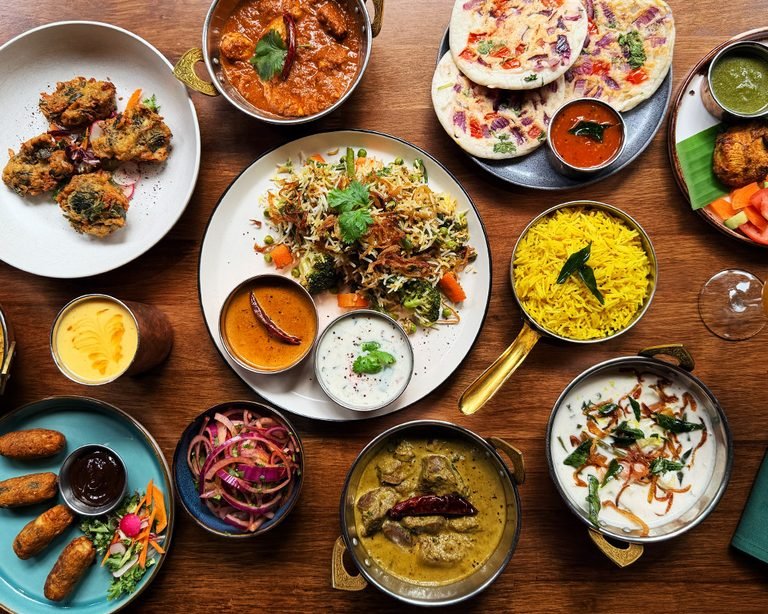
Madurai sits inside exactly this landscape. Located on St Vincent Street in Glasgow city centre, it is a South Indian-inspired restaurant built around a fully gluten-free kitchen, Coeliac UK accredited, and a menu shaped by the traditions, ingredients and hospitality of South India rather than a generalised idea of Indian food. For visitors exploring the city, particularly those travelling with dietary needs that can be difficult to navigate elsewhere, it represents the same principle described above: a clear identity, communicated honestly, in a setting that reflects the city around it.
Glasgow’s growing reputation with tourists is not built on any single restaurant, attraction or slogan. It is built on the accumulation of small, consistent experiences that add up to something visitors want to repeat. For anyone exploring the city centre and looking for a South Indian-inspired dining experience along the way, Madurai’s full menu reflects that same spirit, and a table can be booked here.
Experience Good South Indian food in Glasgow
Book your table at Madurai or call 0141 221 7722
Madurai, 142A St Vincent Street, Glasgow, G2 5LQ