
The Glasgow Fair: How an 800-Year-Old Charter Shaped the Way Glasgow Eats Out
Every July, Glasgow pauses for what locals still call the Fair Fortnight.
Fewer people now take the full two weeks off, but the name persists, along with a public holiday on the third Monday of the month. What most people do not realise is that Glasgow Fair Fortnight did not begin as a holiday at all. It began as a piece of medieval business paperwork, and its five-hundred-year journey from cattle market to shipyard shutdown to modern dining-out season says a great deal about how this city has always found reasons to gather, trade, and eat together.
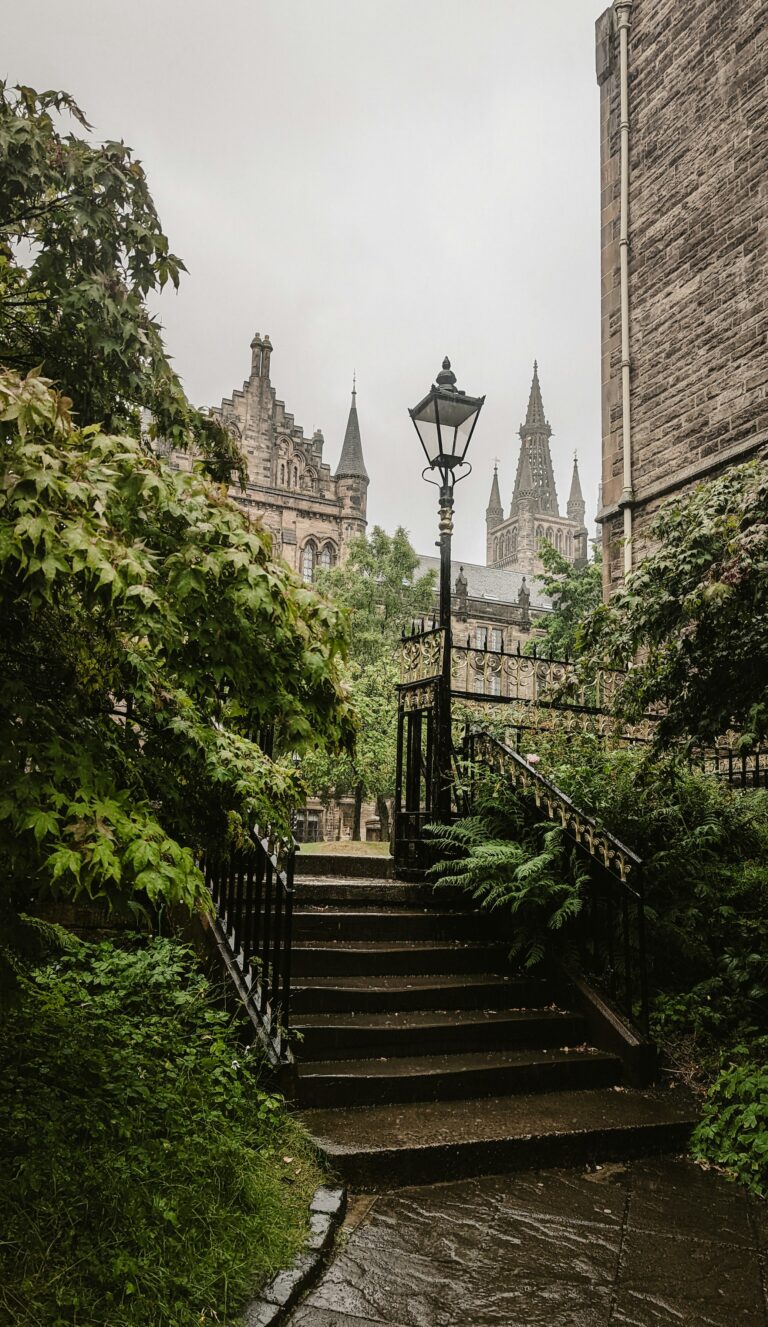
A Bishop, a King, and a Market Outside the Cathedral
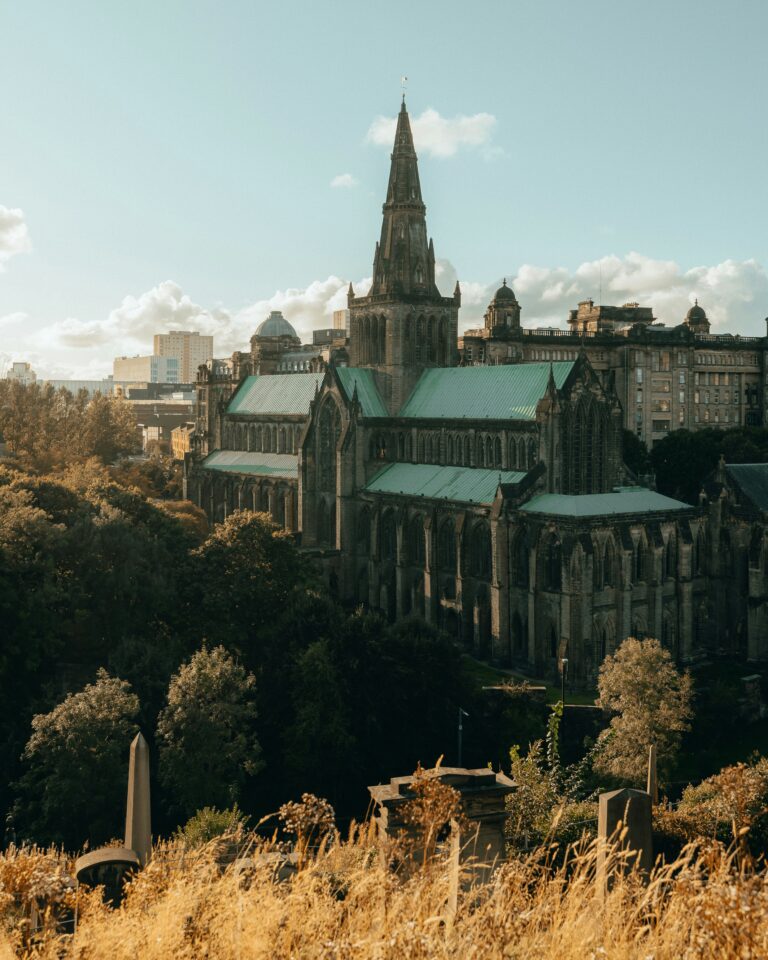
The story starts in 1190, when Bishop Jocelin of Glasgow petitioned King William the Lion for the right to hold an annual fair within the boundaries of what is now Glasgow Cathedral. Permission was granted, and the fair’s earliest job was entirely practical. Merchants and dealers came to trade horses, cattle, and produce from the surrounding farms, protected under the king’s peace and exempt from local tolls, a privilege confirmed in a further charter in 1211. There was no funfair, no fortnight off work, and certainly no thought of it becoming Scotland’s oldest surviving public holiday. It was simply a sanctioned trading event, the kind of arrangement that let a young city grow its commerce safely.
That original purpose is easy to lose sight of today, but it is worth pausing on. Long before Glasgow was a byword for shipbuilding or, later, for its restaurants, its identity was already built around trade rights granted from the top and exercised from the ground up. The Glasgow Fair Fortnight’s roots are a reminder that the city has always organised itself around commerce with people at the centre of it, whether that meant livestock in the 12th century or dinner tables in the 21st.
From Livestock to a Fortnight by the Sea
The fair’s character shifted gradually. By the 1800s it had relocated from the Cathedral precinct to Glasgow Green, where it grew into something closer to a public spectacle. Glasgow Museums’ collection holds a vast 19th century panorama painting of the event, crowded with more than a thousand figures: ladies in feathered hats, soldiers in dress uniform, showmen, jugglers, and traders, all gathered at the foot of the Saltmarket where the fair spilled into the Green. Trading livestock was still part of it, but amusements, circuses, and travelling performers had taken over as the main draw.
Industrialisation changed the fair again, and this time permanently. As Glasgow’s shipyards and factories expanded through the 1800s, employers began giving workers their annual break during Fair week, a practice that had become standard by the late 18th century according to TheGlasgowStory archive, maintained by Glasgow City Council and Glasgow Museums. What had been a single week eventually stretched into a full fortnight, and the closure spread from a handful of businesses to nearly the entire city. Shipyards, factories, and shops shut their doors together, and Glasgow effectively went on holiday as one.
That mass shutdown produced one of the city’s most affectionate pieces of folklore: going “doon the watter.” On Fair Friday, families collected their holiday pay and boarded trains at Central Station bound for the Firth of Clyde coast, filling resorts like Rothesay, Largs, and Dunoon for the fortnight. The Scotsman’s account of the tradition describes factories, shipyards, and businesses shutting down completely, with crowds so large that Central Station could barely handle the exodus on the first Saturday of the Fair.
When the City Stopped Leaving
The mass exodus could not last forever. As shipbuilding and heavy manufacturing declined through the mid-20th century, so did the economic logic of shutting an entire city down for two weeks. Fewer employers could afford synchronised closures, and workers increasingly took their annual leave in smaller, staggered blocks rather than all at once. The Fair Fortnight as a citywide event faded, even as Fair Monday survived as a fixed public holiday.
What is more interesting than the decline itself is what filled the gap. Glasgow did not simply stop celebrating July. It started spending the Fair period differently, and increasingly, that has meant staying in the city rather than leaving it, and choosing to eat out rather than pack a suitcase.
The Fair Fortnight Today: A City That Eats Out Instead
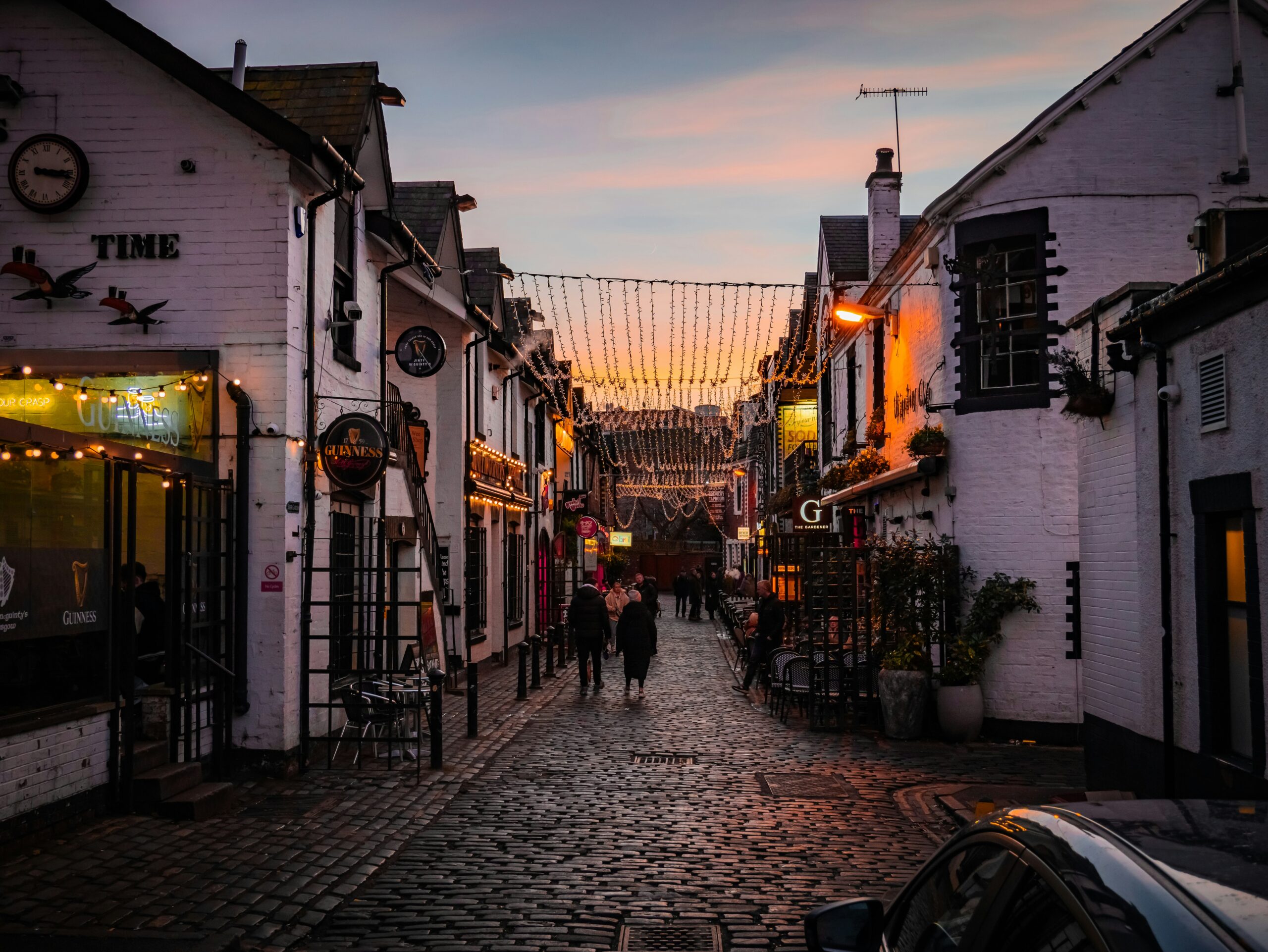
Modern Glasgow has one of the most varied dining scenes in Scotland, spread across distinct pockets of the city rather than concentrated in one quarter. Visit Glasgow’s own city centre guide points to streets like Miller Street and the wider city centre as home to a genuinely international spread of kitchens, sitting alongside the Merchant City’s converted Georgian warehouses and the West End’s neighbourhood restaurants. Where a Fair Friday in 1955 meant a scramble for the Rothesay ferry, a Fair Friday now is just as likely to mean a table booked in the city centre.
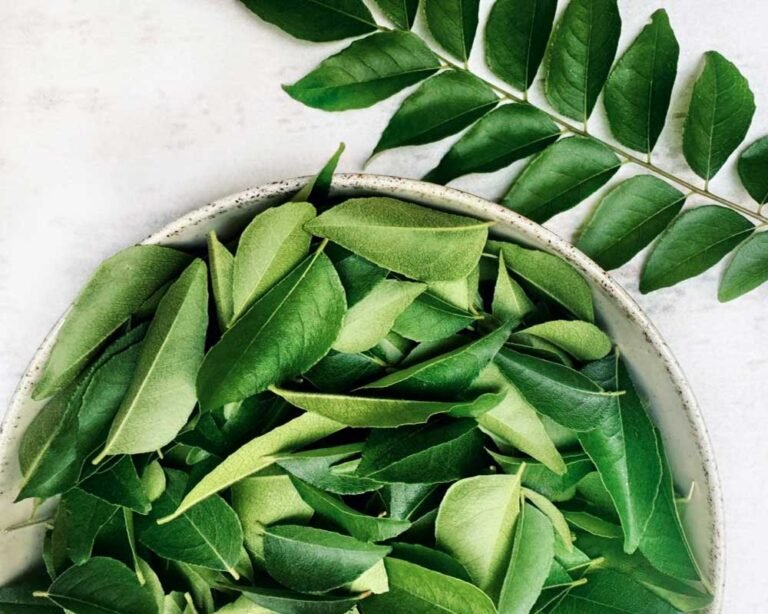
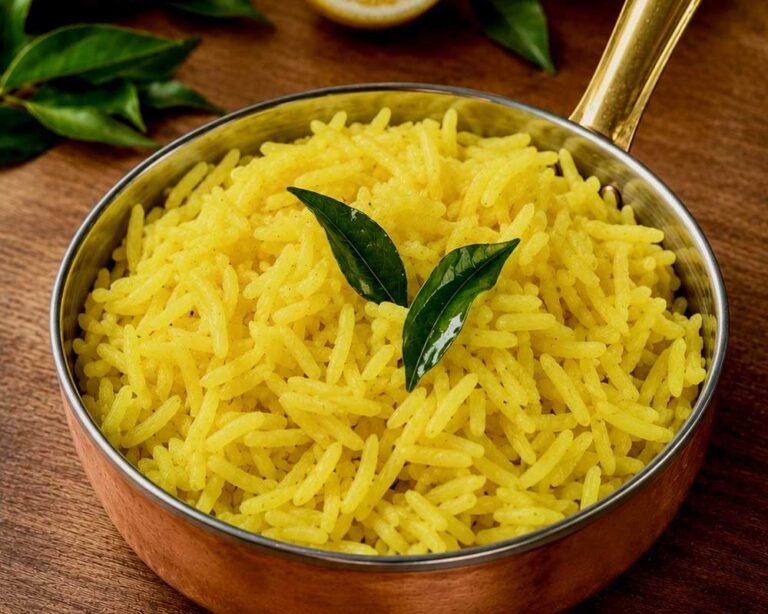
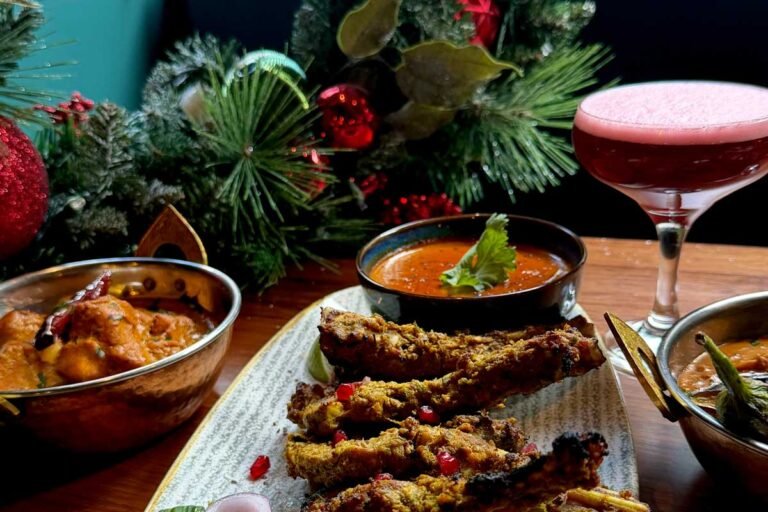
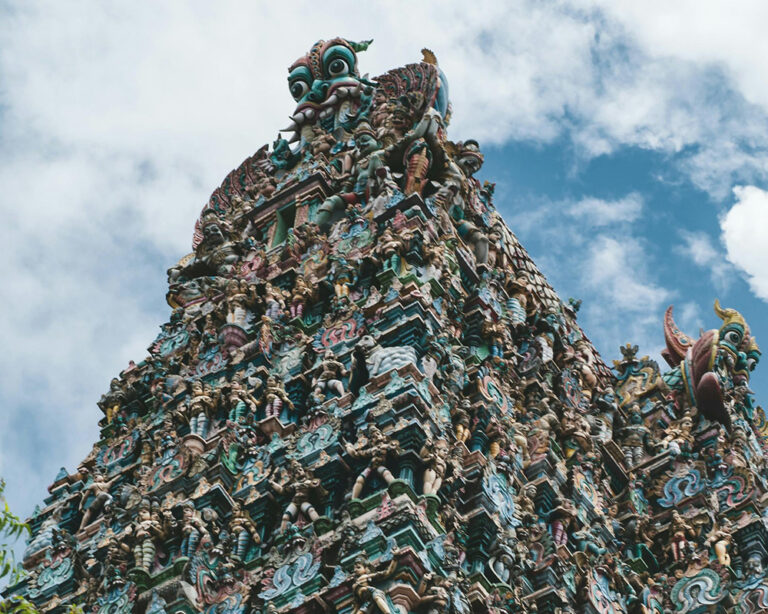
St Vincent Street sits right inside that modern version of the story. It is a short walk from Central Station, the very building that once heaved with families bound for the coast, and it is now home to restaurants built around ingredients and traditions that would have been entirely unfamiliar to a 12th century cattle trader outside the Cathedral. Madurai’s kitchen on St Vincent Street works with rice, lentils, coconut, curry leaves, and tamarind, the staple ingredients of South Indian cooking, prepared in a fully gluten-free kitchen accredited by Coeliac UK. It is a different kind of trade to the one Bishop Jocelin arranged with his king, but it belongs to the same city, on the same streets, shaped by the same instinct to gather people around good food.
If the Fair Fortnight once meant leaving Glasgow for a fortnight by the sea, it now offers a good excuse to explore what has grown up in the city while everyone else was away doon the watter. Whether you’re marking Fair Monday with friends or simply looking for a reason to try something new this July, Madurai’s menu is built for exactly that kind of curiosity, and every dish on it is safe for coeliac and gluten-intolerant diners without exception.
You can find out more about Madurai’s approach to gluten-free South Indian cooking or book a table to see what nearly 800 years of Glasgow’s trading history has led to on St Vincent Street.
Experience gluten-free South Indian food in Glasgow
Book your table at Madurai or call 0141 221 7722
Madurai, 142A St Vincent Street, Glasgow, G2 5LQ